


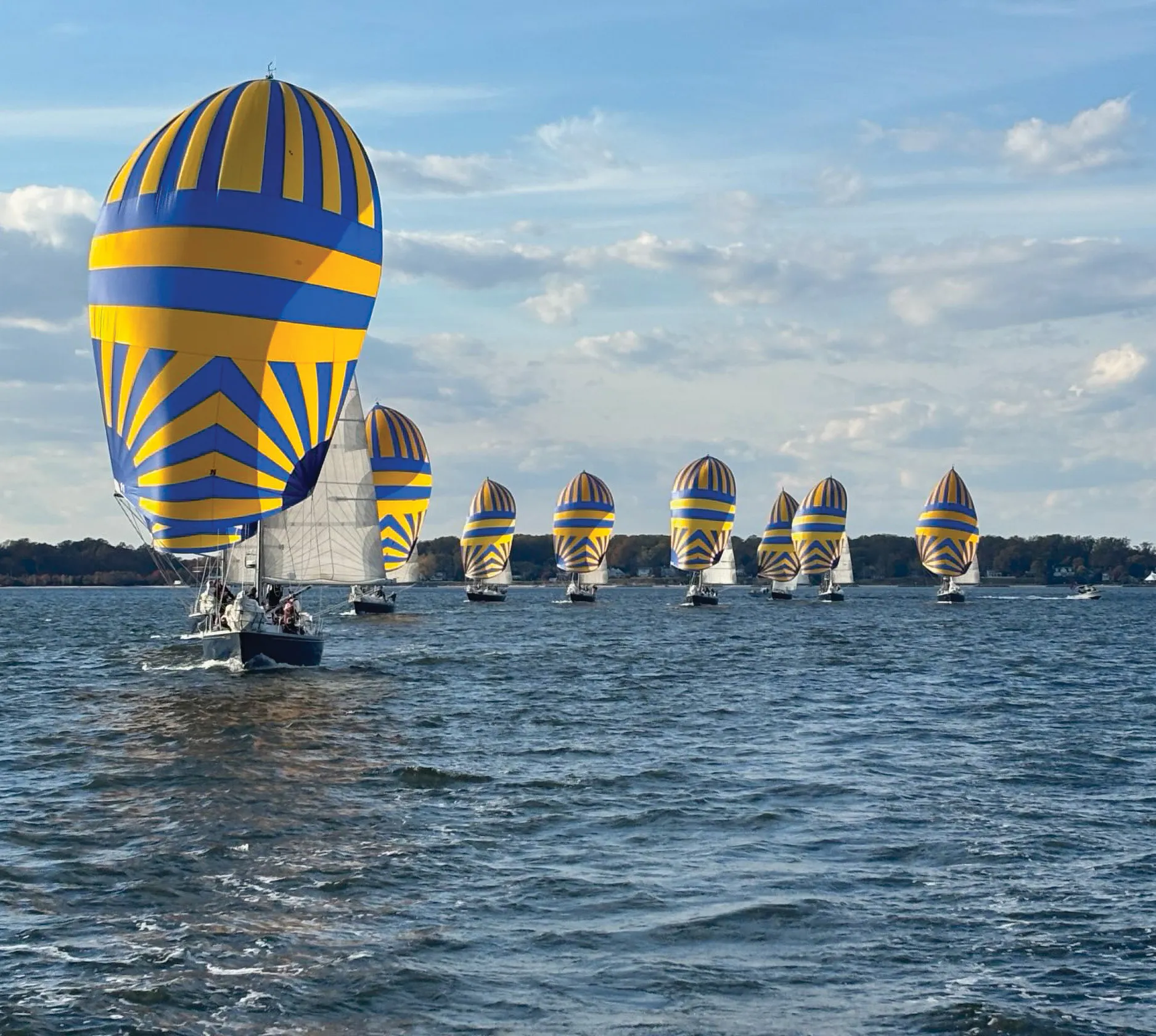
smooth sailing
box of rain
The College is working on coming up with another one that will take its place behind the same cornerstone on April 6, 2026 – 52 years after the original. “I’d like to see letters from students and alumni on what they love about the campus and a message to future students on what makes the College so special, because that is timeless,” says Alicia Caudill, executive vice president of student affairs.
She’d also like people to share their hopes for the College, the city and the world. “We will also make sure it’s waterproof,” she adds with a laugh.
The College community is invited to send letters and photos by email to StudentAffairs@cofc.edu, with the subject line, “Time Capsule 2026.”
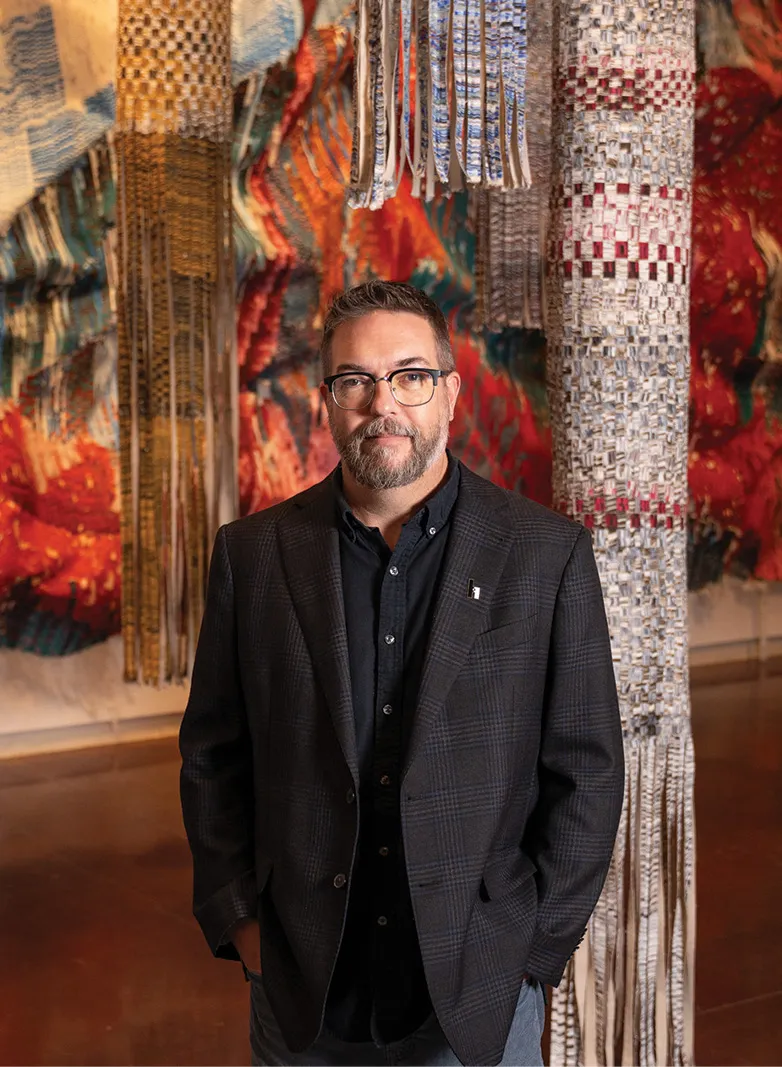
Off to a Fine Art
He has spent 15 years directing galleries and curating public art projects and exhibitions, most recently at Austin Peay State University in Clarksville, Tenn. In addition to burnishing the Halsey’s reputation as a launchpad for contemporary up-and-coming artists, he also plans on bringing in big-name artists.
“As a curator in a university setting, my goal has always been to offer diverse programming that is visually compelling, physically engaging and intellectually stimulating for both the university and the surrounding community,” he says. “I take pride in creating a safe and inclusive space where artists can experiment with their craft, connect with the public and foster dialogue around social, cultural and political identity in ways that are open and accessible to all.”
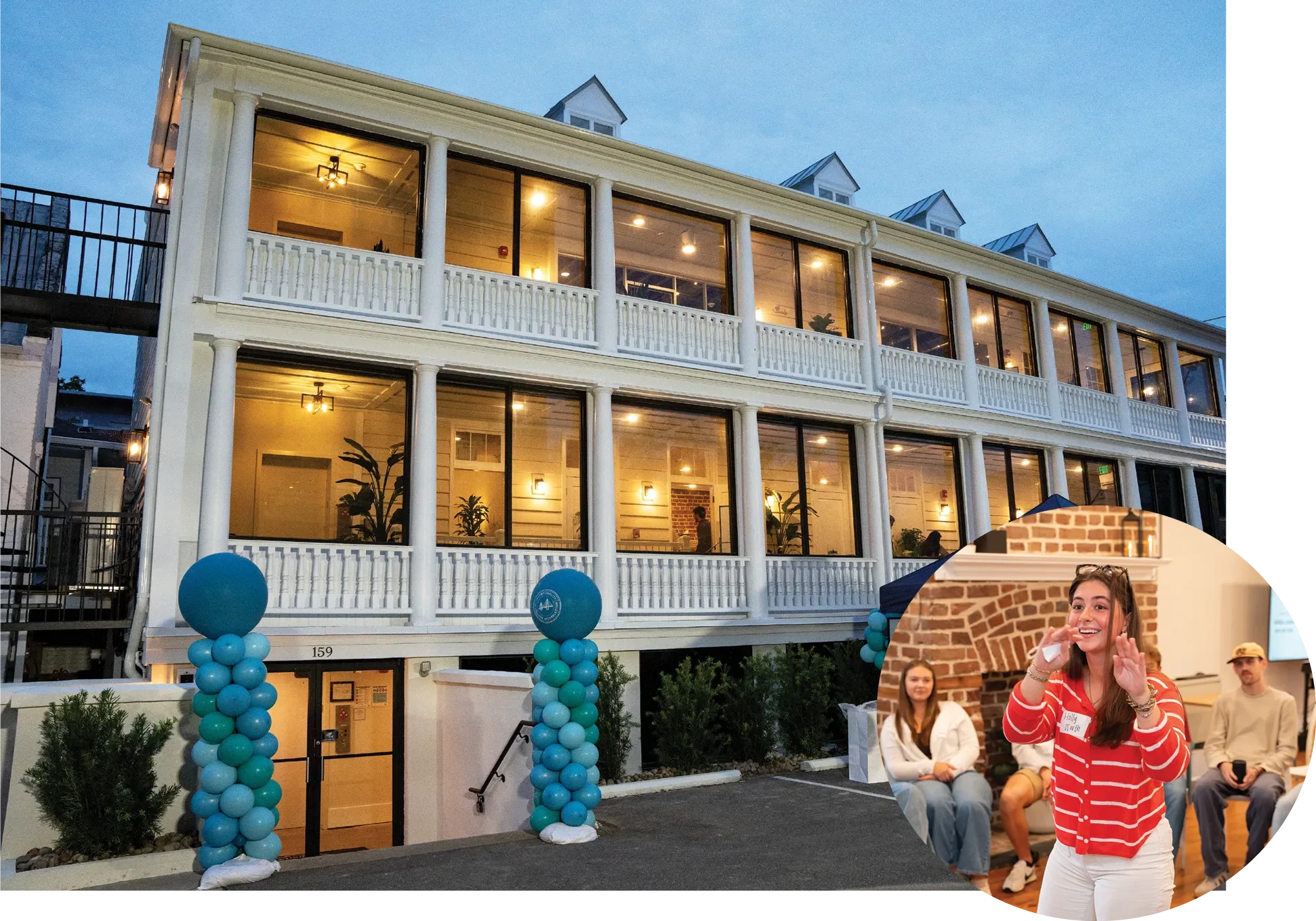
Getting Centered
That’s the focus of the new Center for Intentionality, which grew out of a School of Business course first taught in the fall of 2023 by local businessman and philanthropist Ben Navarro.
Rooted in the tools, mindsets and habits that shaped Navarro’s own journey, the class resonated deeply with students. Inspired to continue the work, students from the class formed the Intentionality Club to practice what they learned and bring those lessons, such as living with purpose, pushing limits and building meaningful relationships, to a broader audience. Students who completed Navarro’s intentionality course are helping manage programs hosted at the center.
The new center, made possible through a gift from Navarro, will richly enhance that goal. Located in a beautifully restored historic home on Rutledge Avenue just a 10-minute walk from campus, the Center for Intentionality includes a kitchenette stocked with a kombucha keg, waters and light snacks on the first floor; an event space designed for yoga, meditation, movie nights and fireside chats on the second floor; and a study, an intentionality library and a reflection room on the third floor.
“This new center stands as a perfect expression of the College’s enduring call to action,” says President Andrew Hsu, “specifically, the Greek words found on Porter’s Lodge stating to ‘Know Thyself.’ At the Center for Intentionality, our students will not only discover who they are, but will also work toward the selves they aspire to become. It will be a place where curiosity meets purpose and where reflection turns into direction.”
designing students
“This nationally recognized approach supports our 10-year strategic plan and showcases our deep commitment to holistic student development,” says President Andrew T. Hsu. “It’s our belief that higher education should empower students to earn a valuable degree and to design a meaningful life.”
First-year students focus on Design Your Charleston, creating a plan for academic success, personal experiences and early career development. In their final year on campus, students enter the second phase of the program, Life Launch, which helps soon-to-be graduates purposefully design life after graduation.
“Life design is all about helping you figure out what you want in college, in your career and in life, even if you’re not sure where to start,” says Hsu. “It gives you real tools to explore your options, make decisions and move forward with confidence.”