


Road Warrior
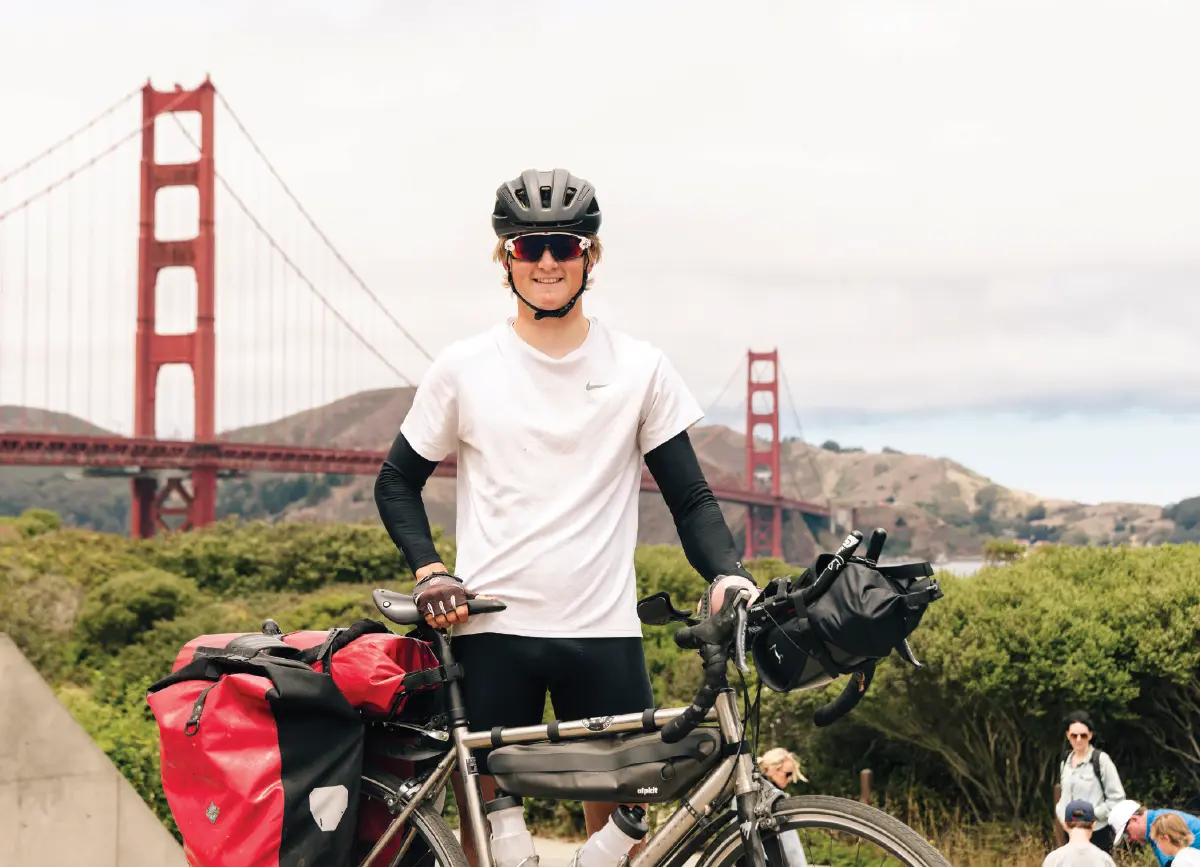
After graduation, I wanted to take a trip before settling into whatever came next. I’d lived in the U.S. for almost four years but had only really seen the East Coast and the cities I’d traveled to for soccer. Before moving here from the U.K., I thought of America mostly in terms of its big cities – New York, Miami, Los Angeles, Las Vegas – but during college I learned more about its national parks and realized how much of the country I hadn’t experienced. My first plan was a traditional road trip by car, but the idea of crossing the country by bike felt truer to what I wanted: to move slowly, see things properly and really earn the views out West.
At first, it was just a vague idea to fly to California, cycle around some national parks and see where it took me. That changed in the fall of my senior year when I took Ben Navarro’s intentionality class, which focused on a different theme of self-improvement each week, including stepping outside your comfort zone. I realized the last time I’d truly been uncomfortable was when I first moved to the States.
Our guest speaker that day mentioned how his employer gave him the “company car: a bike that had already been ridden across America.” I had no idea that was even possible, and it made me realize the trip I’d been planning felt too safe.
Last spring, I began training and planning to bike across the country. Through a mutual friend, I met Zach Thompson, a photographer and videographer who had dreamed of doing a similar trip since he was a kid. After a few meetups, we decided to go together. I’d originally imagined a trip like this being something to be done alone, but having someone to recount the day while cooking over our camp stoves in the evenings, sharing the views, and even the silence, made the trip all the more human.
The ride was tough in all the obvious ways, but what surprised me most was the mental side of it. We averaged around 70 miles a day, often on long, empty roads with nothing to do but think. Cycling like that is slow enough that you can’t hide from your own thoughts.
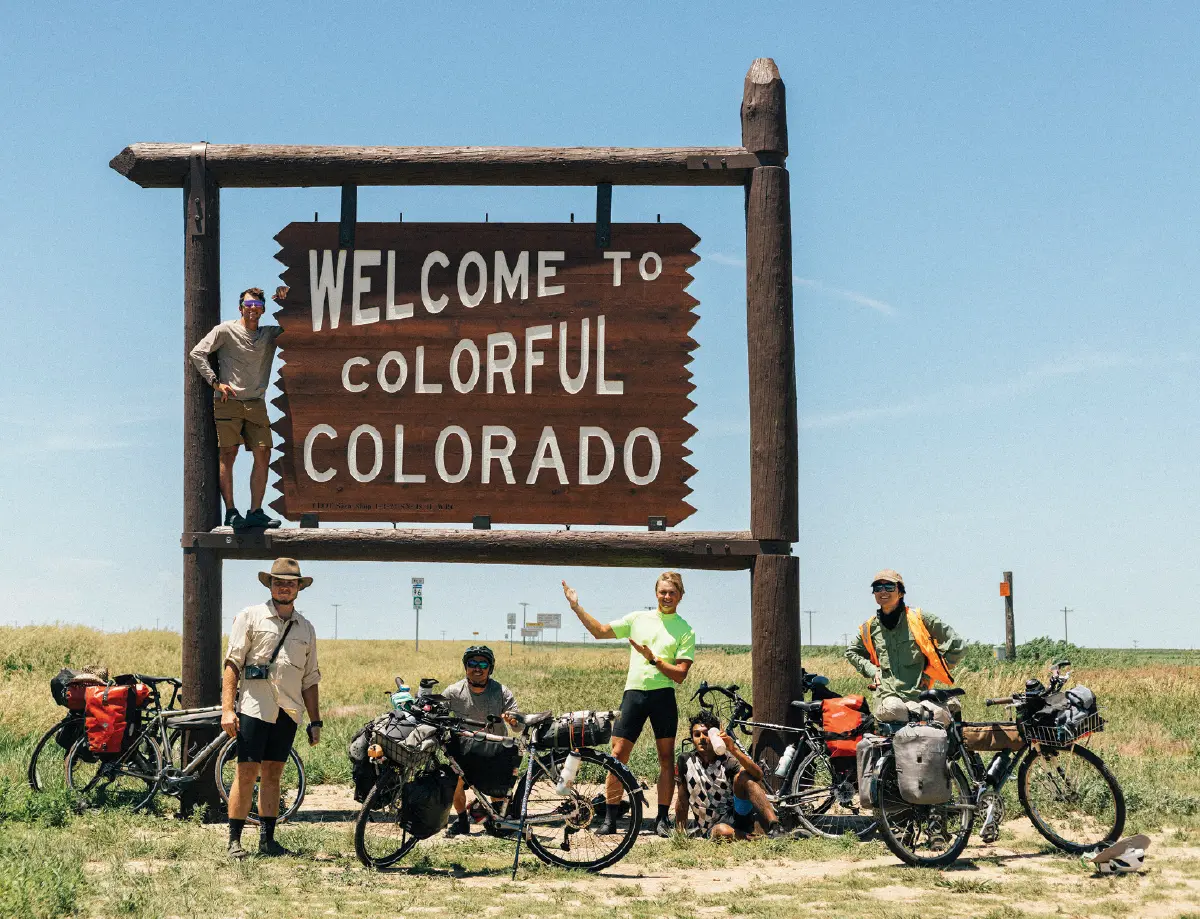
One day in Utah summed it all up. I’d been dreading a 120-mile stretch through the desert with no towns, no gas stations and only one muddy river for water. At the final stop, a couple I’d met insisted I take their water purifier, saying it might come in handy.
That day hit 103 degrees. My bottles were almost boiling, and by mile 85 I was out. When I flagged down a passing car, the driver, who turned out to be a cyclist, gave me the rest of his water. Ten miles later I was empty again, and another driver stopped to hand me ice, snacks and soda. It was enough to get me through. When I finally reached camp, I found a group of geologists setting up their tents. They had coolers full of water and food and immediately invited me to join them. Sitting in the desert that night, sharing dinner and a beer with strangers, ended up being my favorite moment of the trip. It had everything: exhaustion, beauty and kindness.
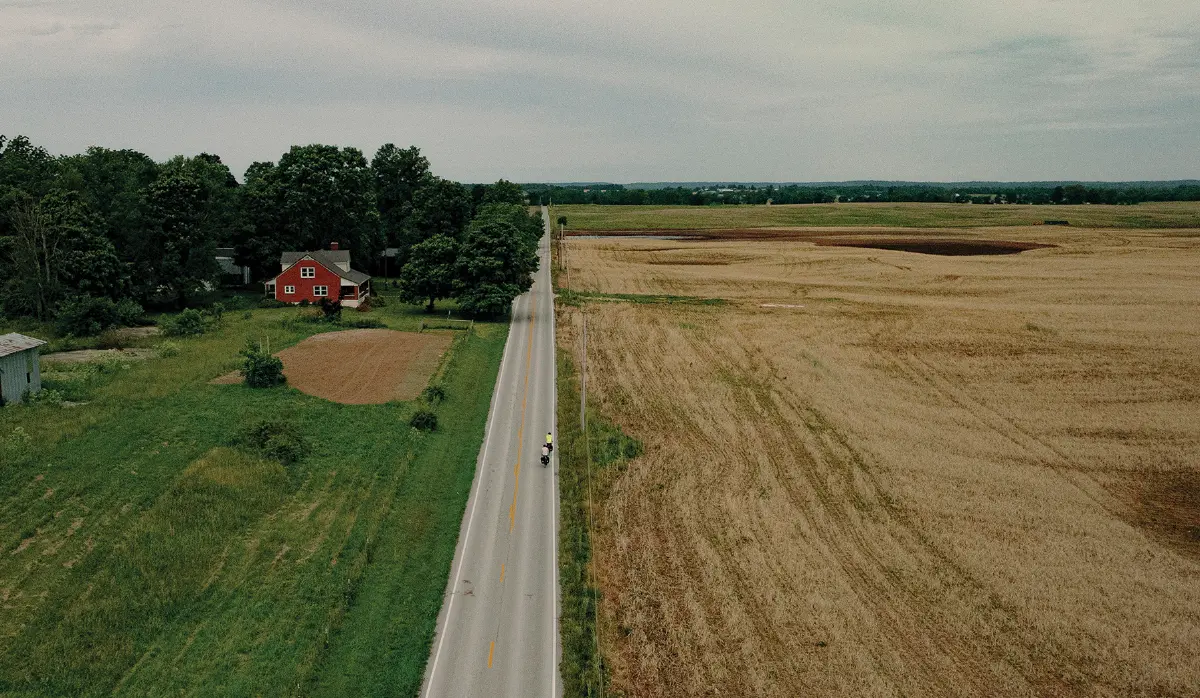
If I learned one thing, it’s that you don’t need perfect conditions to start something. I’ve always been someone who plans, waits until things line up and overthinks timing. But on this trip, things went wrong constantly: We had flat tires, broken spokes, forest fires and bad directions and just had to keep adapting.
At first, I hadn’t planned to ride for charity, but the more I trained, the more it felt wrong not to. I’ve been about 80% deaf since I was 17 because of a condition called otosclerosis and have relied on hearing aids ever since. So I partnered with the Hear the World Foundation, which provides hearing care for children in low- and middle-income countries, and we raised $2,500 along the way. On the hardest days, remembering that I was riding for something bigger than myself helped me keep going.
I started this trip wanting to see as much of America as possible before life pulled me elsewhere. I finished it realizing that what makes a place unforgettable isn’t the landscape or the miles you cover, but the people you meet when you’re vulnerable, open and moving slowly enough to notice.