

Living Legacy
Living Legacy
ingerprint-sized holes dimple the rough surfaces of copper-red bricks in the walls of the Avery Research Center for African American History and Culture’s third-floor auditorium. A typical characteristic of 19th-century bricks in the Lowcountry, these marks are signatures of the creators, who were often enslaved people prior to emancipation.
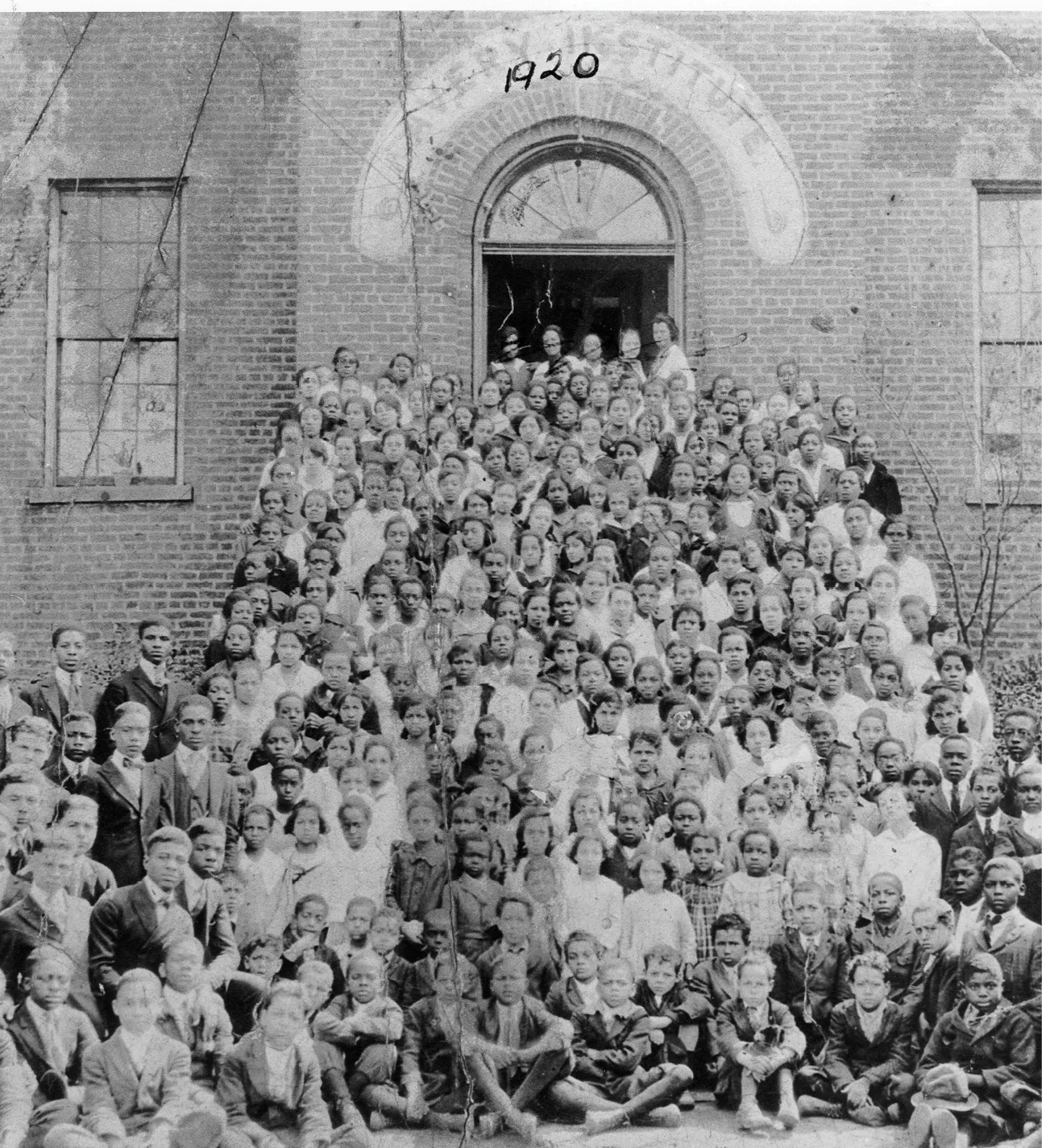
For 158 years, these bricks have held the story and structure of Avery, established in 1865 as the Avery Normal Institute, the first accredited school for Black Charlestonians.
“It’s a story I usually tell when we look at the building,” says Tamara Butler, the centerʼs executive director. “It’s quite liberating when you look at the artifacts that we have here to think of what people survived and desired more. We had just gotten out of the institution of slavery, and we saw the best way to make our mark in this world was through education.”
Now part of the College of Charleston’s library system, the Avery Research Center preserves and promotes the histories and cultures of the African diaspora. And much of the original structure and founding mission remains. An archive, library, museum and community hub, Avery embodies the pursuit of knowledge and education.
“Thinking about all the folks who walked through this building with the dream of educating a new American citizenry gets me every single time,” says Butler, “because they came with all this intelligence and technology, and they decided to use that ingenuity to put into a building that’s still here.”
Many prominent figures passed through Avery over the years, including T. McCants Stewarts, a South Carolina educator and attorney who later served as a Supreme Court justice in Liberia; Septima Clark, a well-known educator and Civil Rights advocate; Arthur J. Clement, Jr., Charleston NAACP president; and John Henry McCray, an activist, politician and journalist.
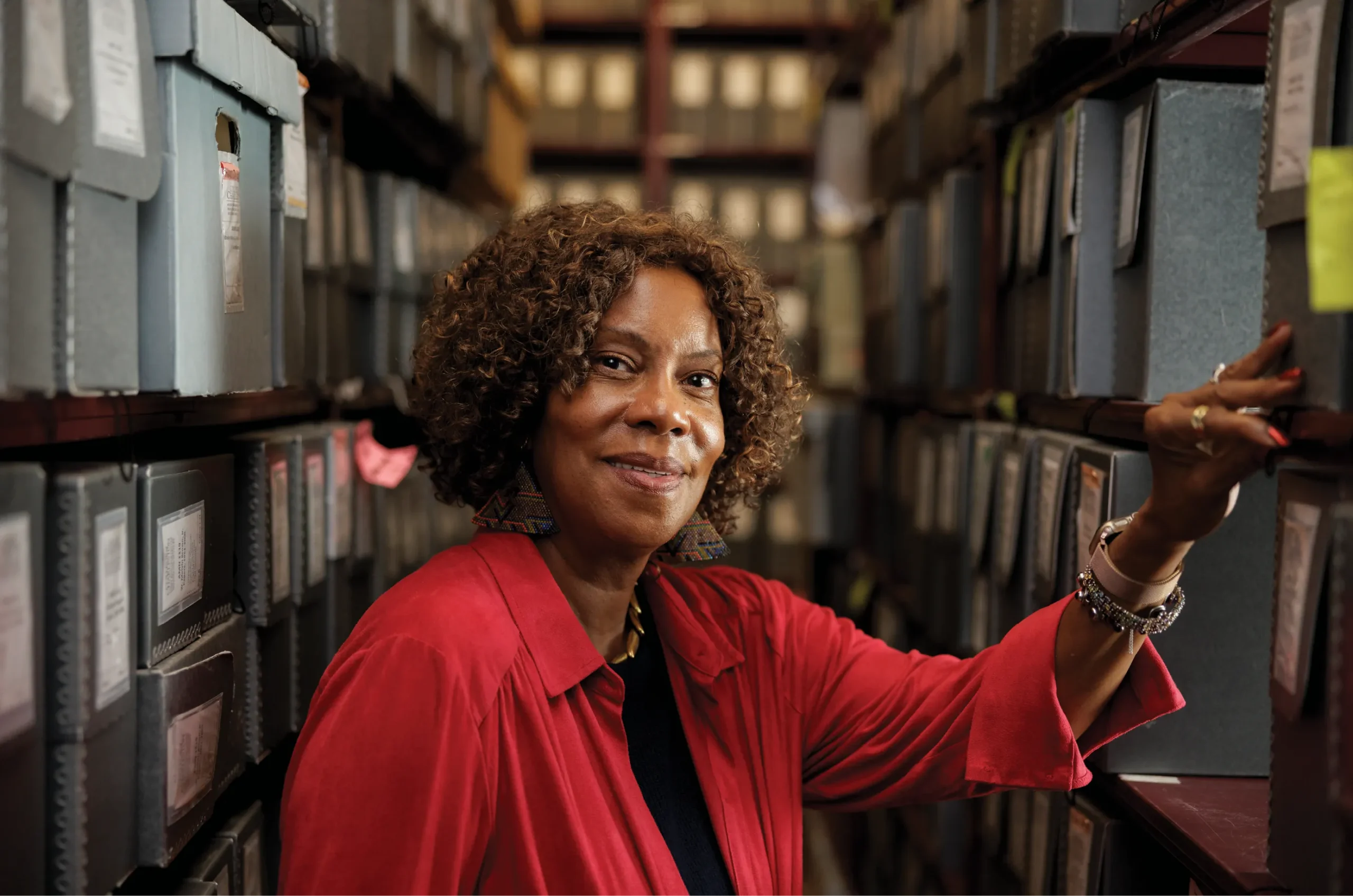
“I think what makes Avery so unique is that this is literally hands-on history,” says Butler. “I’m not talking about replicas; you can put your hands on things that are older than you. It’s the idea that Langston Hughes breathed on this sheet of paper, or Septima Clark wrote in this notebook. It gives me chills because I’m touching things from people I only know of in books, but these items actually lived in their hands and homes. I think that moves people.”
This remarkably rich collection continues to evolve as people donate new material, adding layers to a living record of community history.
“People may think they do not have anything to donate to an archive, but we all have archives,” says Georgette Mayo, Avery’s processing archivist. “It’s the things that people take for granted. If you have a hobby in which you collect and organize objects, that’s your archive!”
Mayo wants to expand people’s concept of archival material to encourage more donations, as they are within Avery’s collection development policy and mission, and creative use of the Research Center’s resources.
“I love seeing how our archives are being used,” she says. “Researchers always surprise me when they come into the Reading Room with their topics.”
Preserving Perspectives
As part of Avery’s mission, the Avery Institute of Afro-American History and Culture, a nonprofit that supports the Research Center’s mission, embarked on a documentary project to steward the stories of Avery students and graduates.
Avery Institute board member Gwendy Harris and President Tony Bell ’91 teamed up to locate and document these stories. Bell is also working on a documentary with Avery project director DaNia Childress about Avery’s directors over the years.
“For so many people, Avery meant the difference between what the future would be for them. This was a really pivotal point of people’s lives,” says Harris.
The Avery Normal Institute was founded in 1865 by abolitionist group the American Missionary Association as part of a nationwide effort to establish schools for African Americans after emancipation, though some early Averyites and their families were free people of color before the Civil War.
The current location on Bull Street was secured as a permanent place for the school in 1867. AMA funded the school until 1945, when it became Avery High School as part of the public school system.
Through its first 80 years, Avery taught various grade levels – at times supporting elementary through secondary with an optional additional year of teacher training, known as “normal training.” It served as a high school once merged with the public school system. The city closed the school in 1954, after Brown v. Board of Education, the Supreme Court case that reversed the separate but equal doctrine.
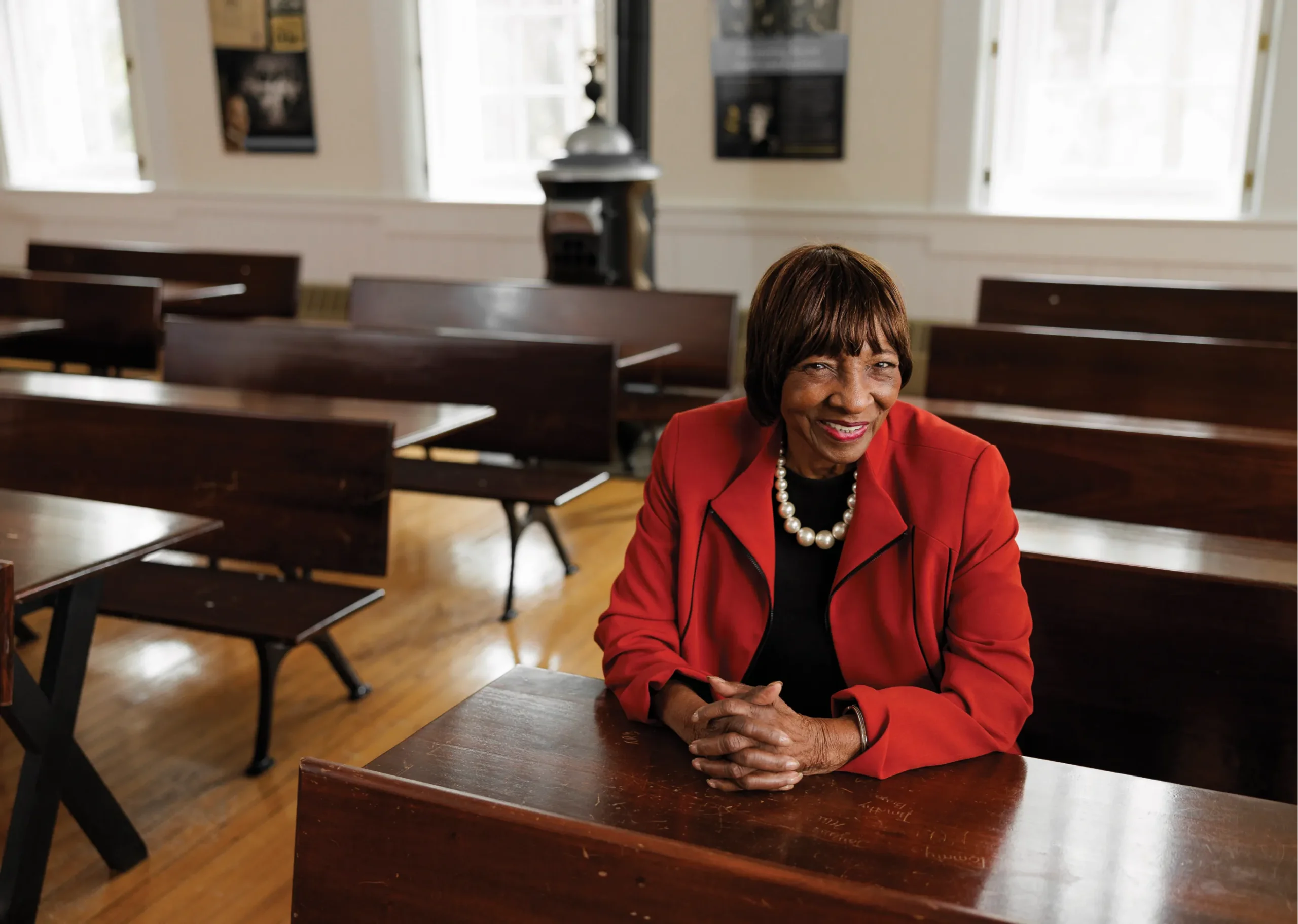
Retired College of Charleston political science professor Marguerite Archie-Hudson, a graduate of the 1954 class, participated in the documentary, sharing fond memories of her experience.
“The curriculum at that school was just astounding,” she says. “Their intention was, when you leave Avery, you should be able to go any place that you want.”
For Archie-Hudson, this led to a life of education and public service. She earned a bachelor’s degree in psychology from Talladega College, a master’s degree in education and counseling from Harvard University and a Ph.D. in higher education administration from the University of California, Los Angeles.
After graduating from UCLA, she served in the California State Assembly from 1990 to 1996, chairing the Assembly Committee on Higher Education. In 1998, she became president of Talladega College; she was the first female president in the school’s 134-year history and first African American woman to lead a university in Alabama.
Reputation for Greatness
Renowned for its academic excellence, Avery created a pipeline of highly educated teachers. Many students who opted for normal training later taught future Avery students in rural areas, including Sugar Hill Elementary on Yonges Island, where Archie-Hudson attended primary school.
“The teachers and administrators at Avery were always extremely well-educated,” says Archie-Hudson. “It meant several things for us. One is that we got to see people we never would have seen. Langston Hughes came and gave a lecture and read one of his poems.”
Students received rich instruction in college preparatory classes, classical studies like Latin, vocational training and a highly touted music program along with theater and choral clubs.
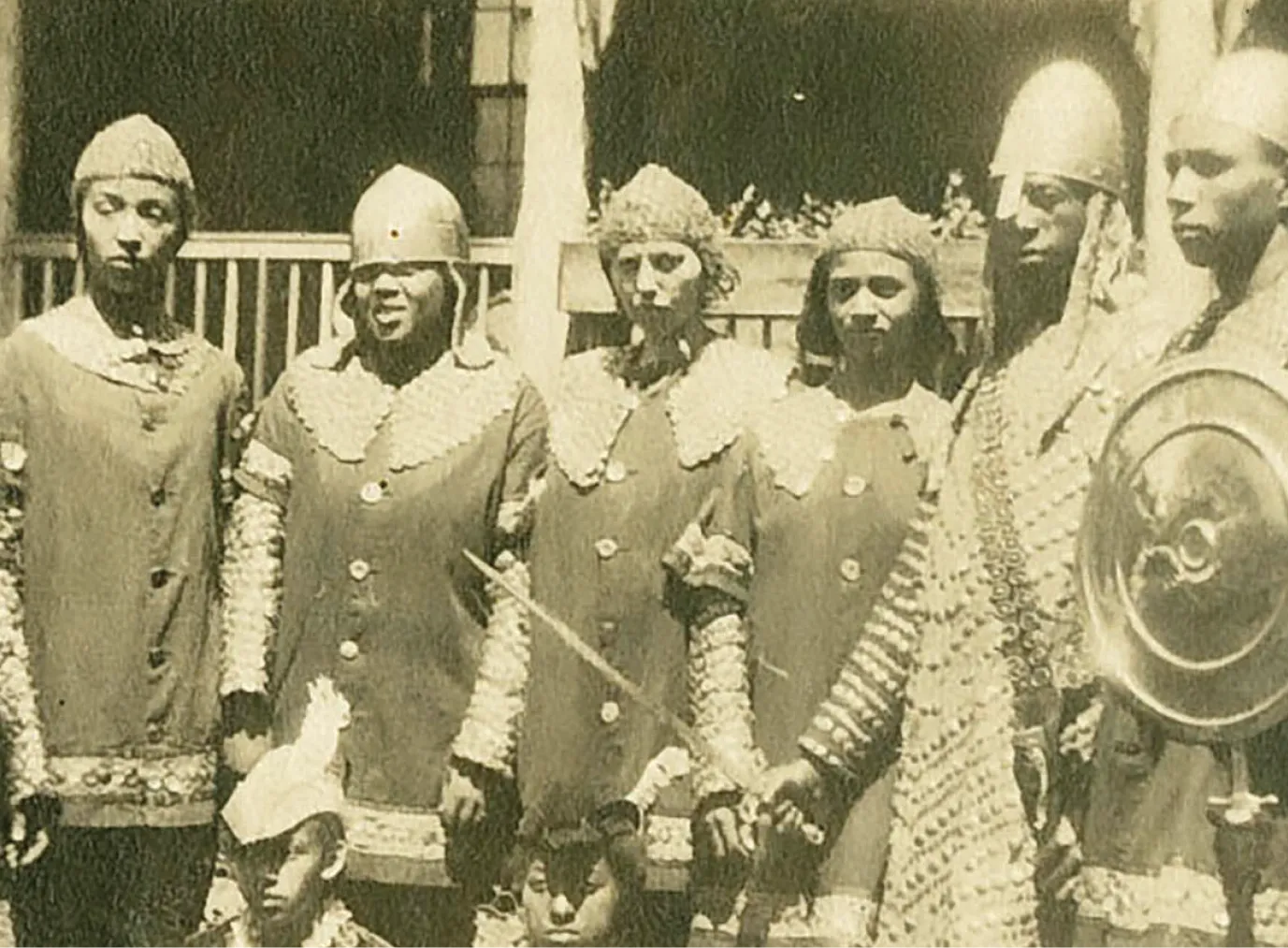
Archie-Hudson also reminisced about happenings in the auditorium, where plays, musical events and school dances were often held.
“We had to build sets for whatever we wanted to have: a ballroom, park, circus, whatever the theme was,” she says. “We were one of the few schools that got to do that.”
The Avery instilled a strong sense of pride and fellowship in its students, which radiated into the wider community.
“They had a tremendous music program,” says Harris. “Their graduation was a big performance, and so people, even if they didn’t have kids graduating, came because it was a major community event, and they wanted their kids to participate.
For many, the school’s closing in 1954 was devastating.
“The classes behind us, of course, were heartbroken, because it was their school,” says Archie-Hudson. “Some people had been there since elementary school.”
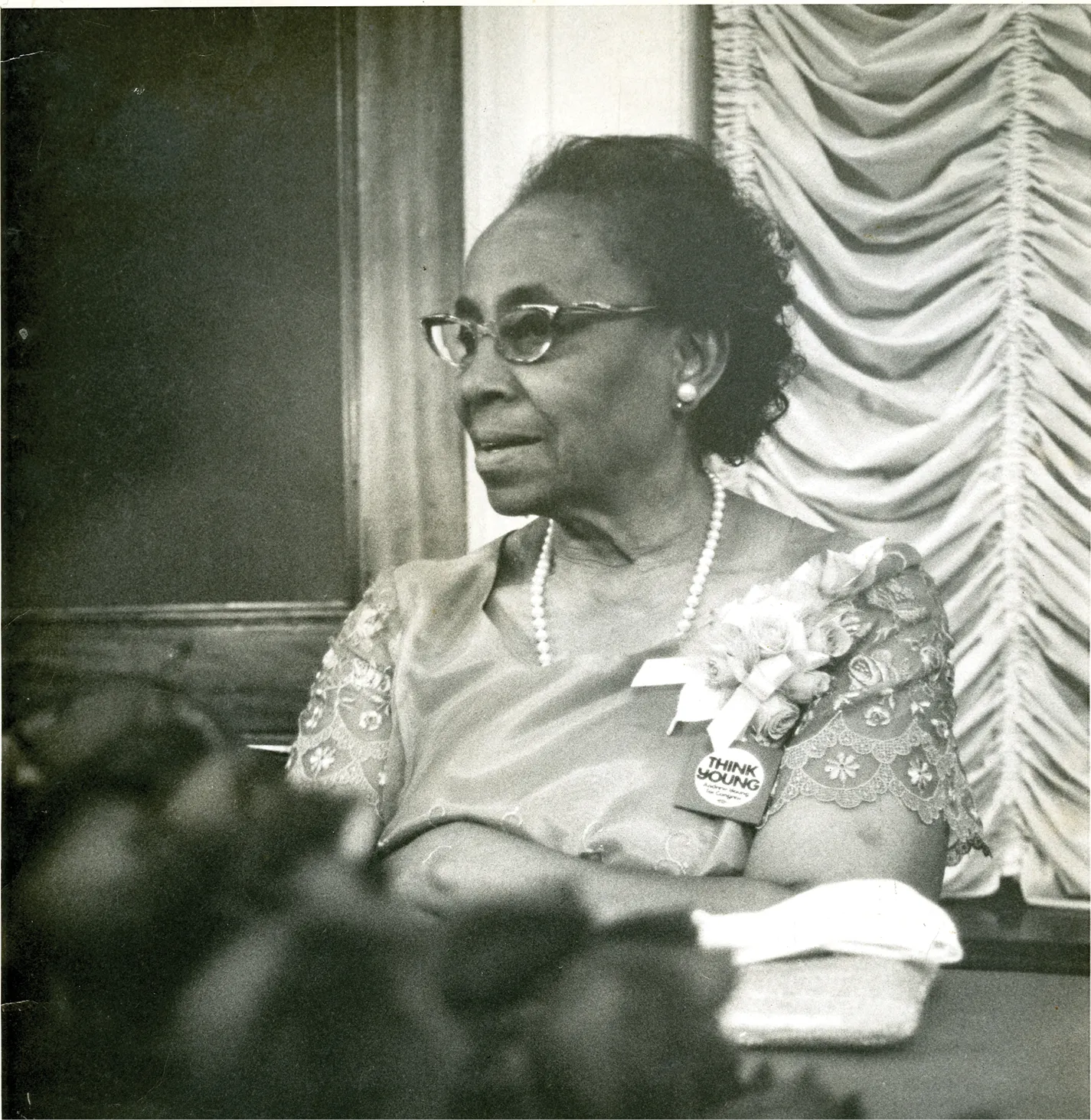
After it closed, the building served as Trident Technical College’s Palmer Campus from 1955 through the late 1970s. In 1978, the Avery Institute nonprofit was formed, led by Avery graduate (and state legislator) Lucille S. Whipper, and established a partnership with the College of Charleston to open the Avery Research Center in 1990.
“We’re teaching people not just about African American history but that our history is included when people learn about the classics,” says Butler. “Our history can be curriculum that we use to teach and learn.”
The Avery Research Center encourages faculty in every discipline to utilize the center’s rich collections to enhance and deepen students’ learning. The center is also available to students for research, tours and more.
“My time at Avery taught me that it doesn’t matter who you are, what your occupation is or what you study, Black history will always be part of our history,” says Patricia Washington ’25, who worked at the Avery as an undergraduate assistant while earning a bachelor’s degree in accounting from the College.

“Students come in, and they get to look at and touch shrimp nets that were handwoven on Johns Island in the ’60s, or they get to put their hands on carvings from Guinea that were brought here in the ’80s or ’90s,” says Butler.
Avery’s archival materials offer intimate glimpses into local and national history. The Craft and Crum family collection, for example, traces the journey of formerly enslaved abolitionists William and Ellen Craft, whose living descendants continue to visit and enrich the archive with new material.
“Our mission is to cultivate, so we really like to think about building community, giving community members tools they would need to preserve their own communities and collect stories from their own communities as well,” says Butler.
Other items, like Ain’t You Got a Right to the Tree of Life?, a book filled with photographs of Johns Islanders from the late 1800s through 1960s, have helped recover names and stories. For visitors with ties to the area, flipping through its pages can be a powerful experience as they recognize people in the photos and connect with the community’s shared history.
“It’s a hard job, but a deeply fulfilling one because I’m home,” says Butler, who is from Johns Island. “My impact is at home. These are people I know. They trust me, so it just means a lot to me that I get to lead this place.”
Many items in the archives prompt emotional responses in visitors, says Butler, including yearbooks, where people often find friends and family members, and the 19th century classroom replica, which evokes memories and invites reflection.

Mayo views archival work as a way to educate outside a traditional classroom. This approach extends into community programs and offerings, including the Dr. Conseula Francis Reading Circle, which Mayo facilitates.
Open to students, faculty, staff and community members, this monthly book discussion honors the late Conseula Francis, associate provost and professor of English and African American Studies. The Reading Circle celebrates its 10-year anniversary in 2026.
Other Avery community events include lectures, the annual Avery Family Reunion, Southern Sonics and more. Through all its iterations, Avery continues to play an essential role in the community.
“The Avery is where I found my people,” says Washington, “a community that believed in me, supported me and helped me grow not just as a student but as a person. Being part of this space has shown me what it means to belong to something meaningful.”

The Avery has accomplished a lot in its 40 years as a research center and 160 years as an educational space, but Butler sees even more ahead. She envisions Avery as the go-to place to learn about the African diaspora on this side of the Atlantic.
And she hopes to expand what Avery can offer visitors and students.
Revitalizing the two-story building next to Avery, which used to house teachers, she says could lead to a residency for scholars, researchers and artists who want to stay on the grounds.
“Having them right here in the heart of it, I think changes the way people work, write and create,” she says. “Archives aren’t just what’s in the box. It’s the people – librarians, archivists, curators, artists, researchers – who make sense of those stories. That’s what makes the boxes valuable.”
The chance to engage with a space so layered in history offers a unique lens for reflection and creative inquiry.
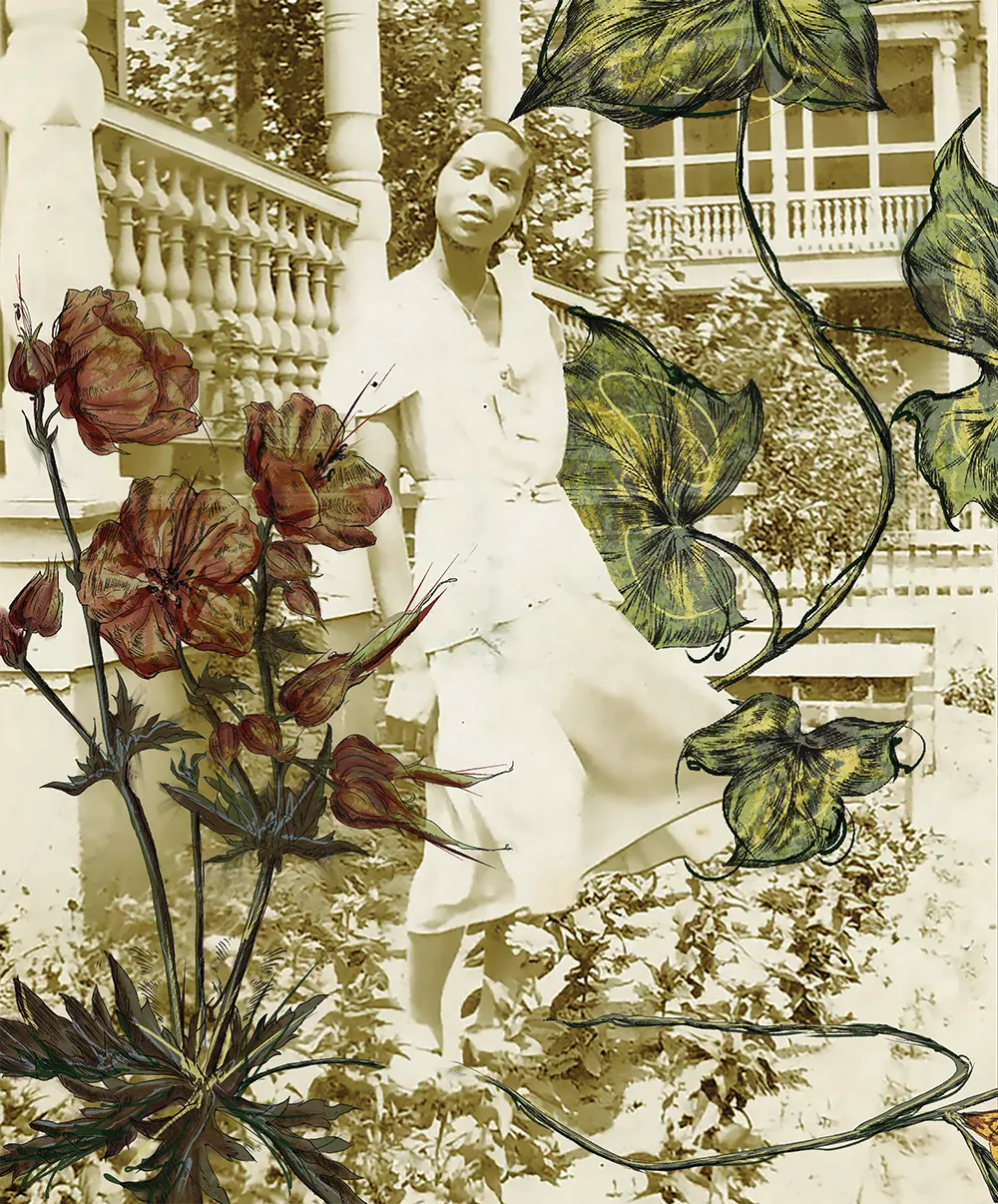
“There’s this really beautiful photo in the archives of a young lady standing in the garden,” she says. “I look at it and wonder what if an artist saw that? Would they try to recreate the garden? Would they just want to take in the space?”
She also wants to continue building students’ connections to the Caribbean and West Africa through opportunities to research and study abroad.
“I hope we can start sending students back into the diaspora, so they can think about what the archives are doing in London. What are the archives doing in South Africa? How can we help those in Barbados? Because we already know what’s possible. We’ve seen it in South Carolina. How can we now help these other communities?”
For many students, the resources at Avery have already launched them on a lifelong journey of discovery and purpose.
“Avery’s legacy lives in the people they have helped,” says Washington. “It’s a place that has always poured into me, believed in me and reminded me that history is living.”