
Deep Dive



Unless you happen to be one of the lucky students in Chris Freeman’s Biology of Coral Reefs class at the College of Charleston, which emphasizes experiential learning with hundreds of internships, research with faculty projects, study abroad and volunteer opportunities available.
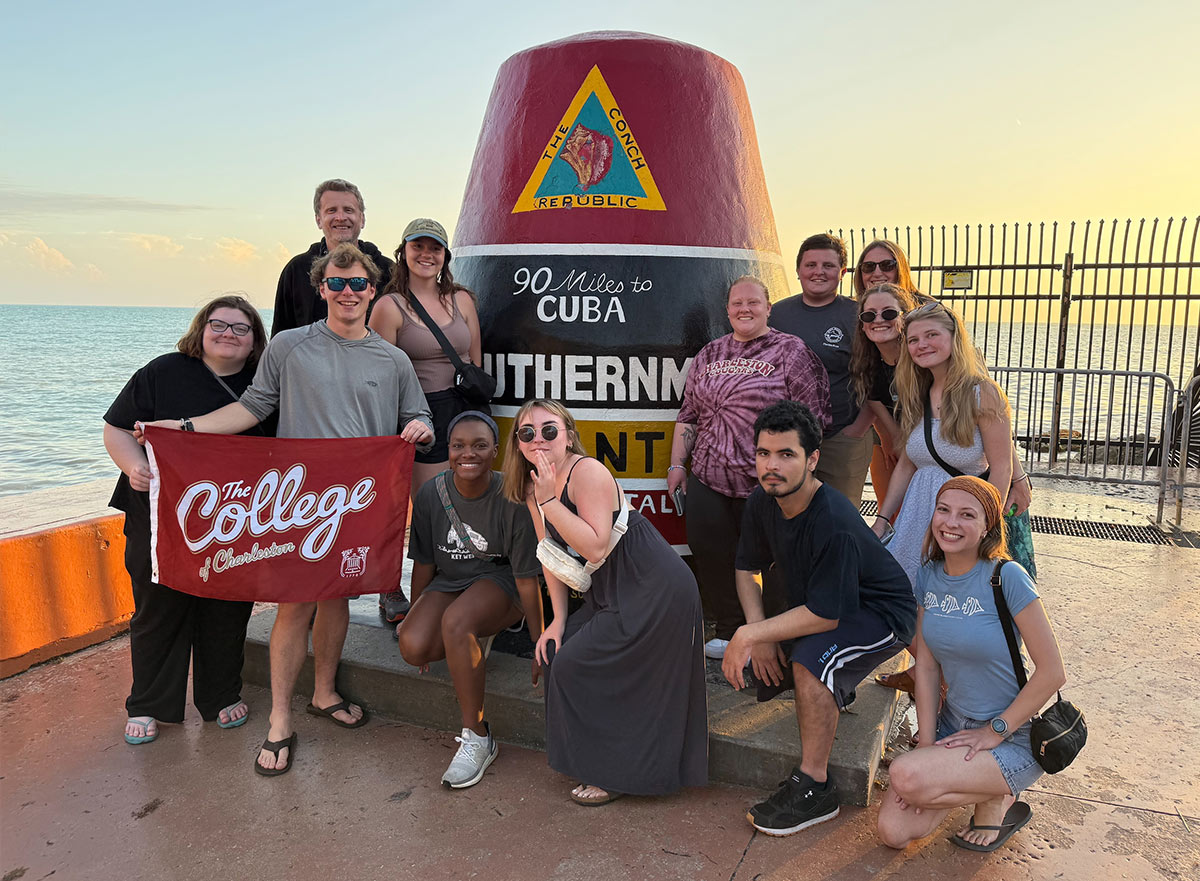
Twelve students from the class accompanied Freeman to the Florida Keys over spring break to see the species and processes that he’d taught them about in class: reef growth, algal-coral interactions, sponge physiology and fish predation pressure, among other topics.
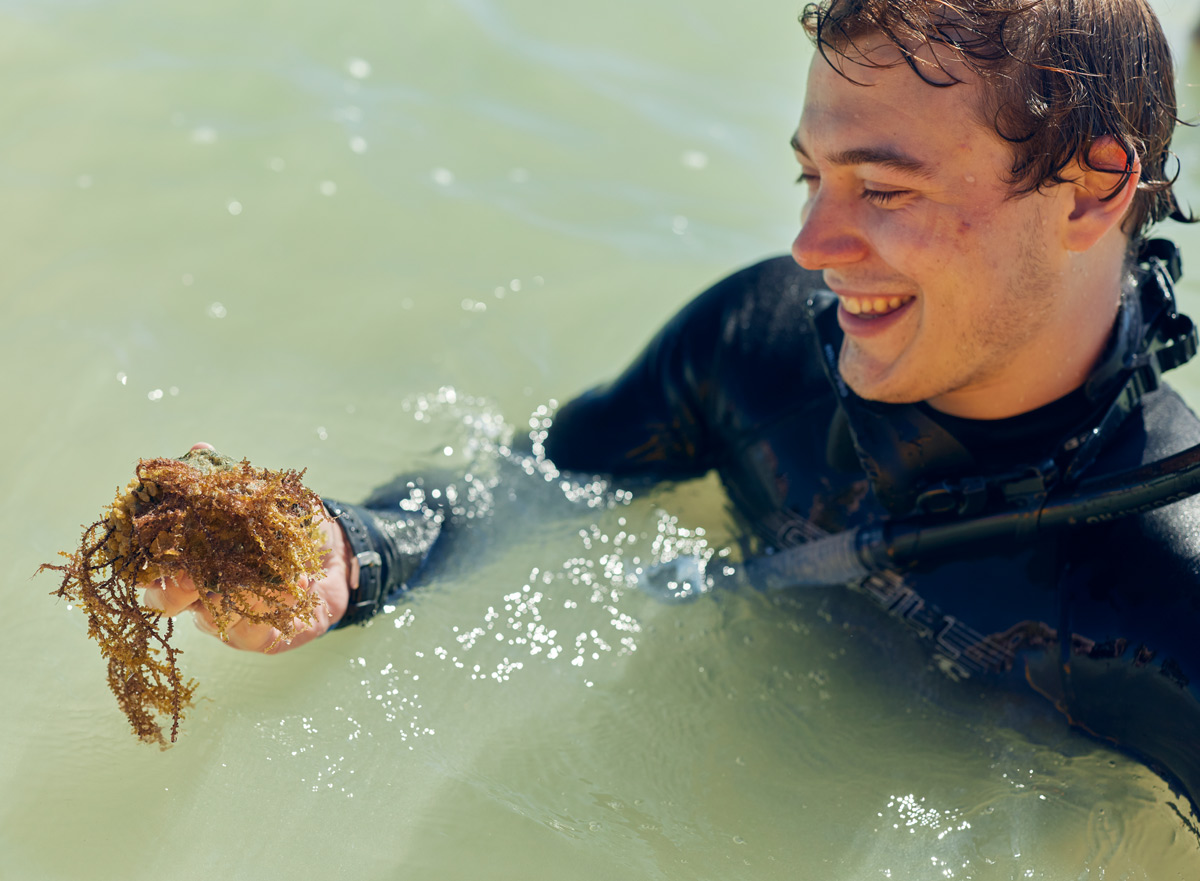
“It was eye-opening to see everything we had been learning about in our lectures happening in person right in front of my eyes,” says Sam Brandt ’25, a marine biology major who’s been diving since he was 13. “It gave me an entirely new perspective on the way I look at coral reef ecosystems as a diver and a developing scientist.”
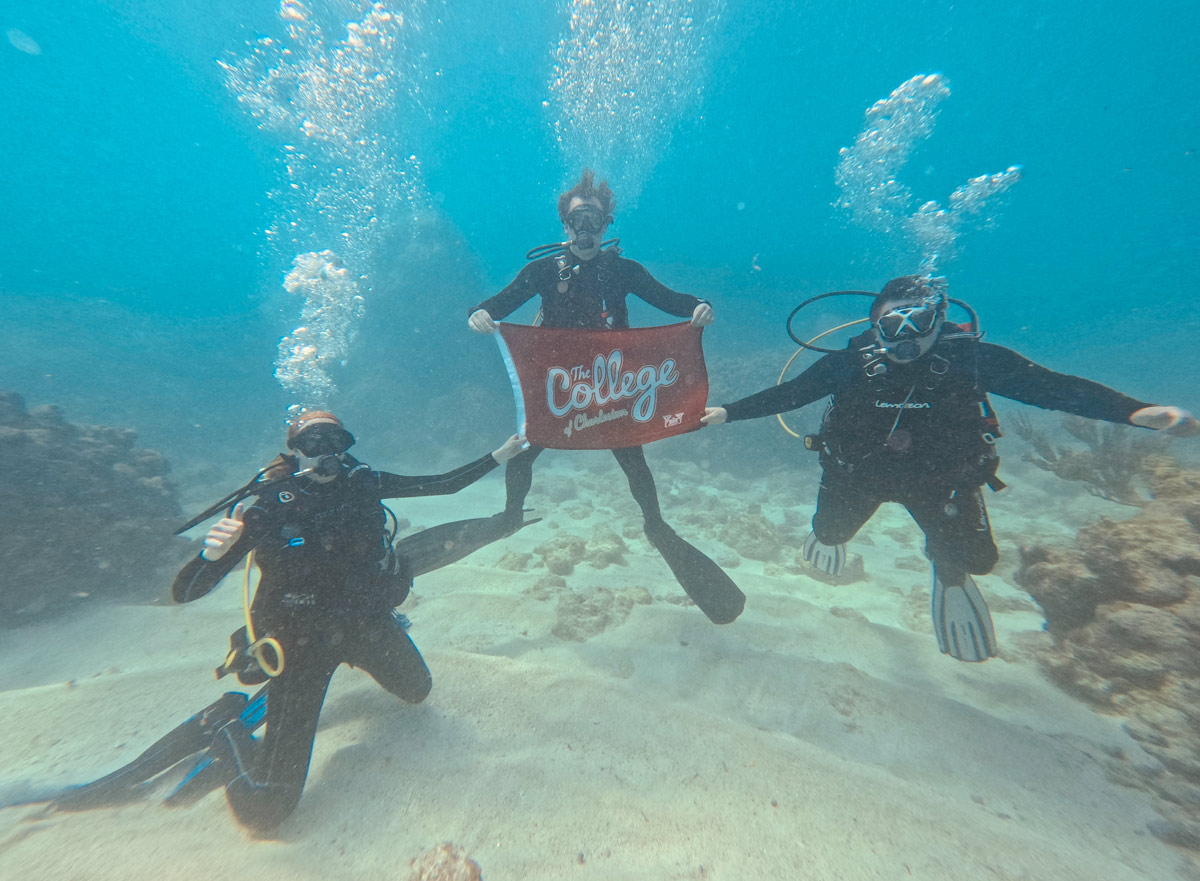
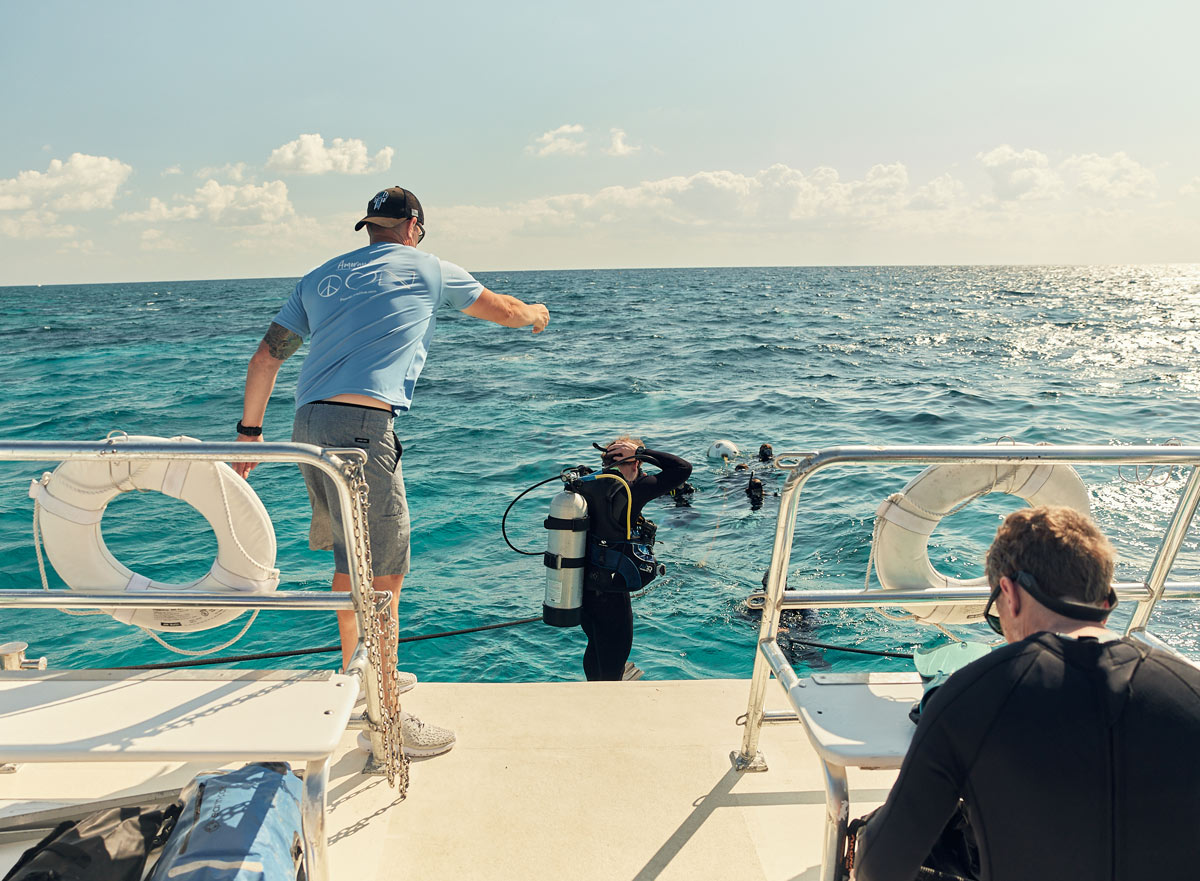
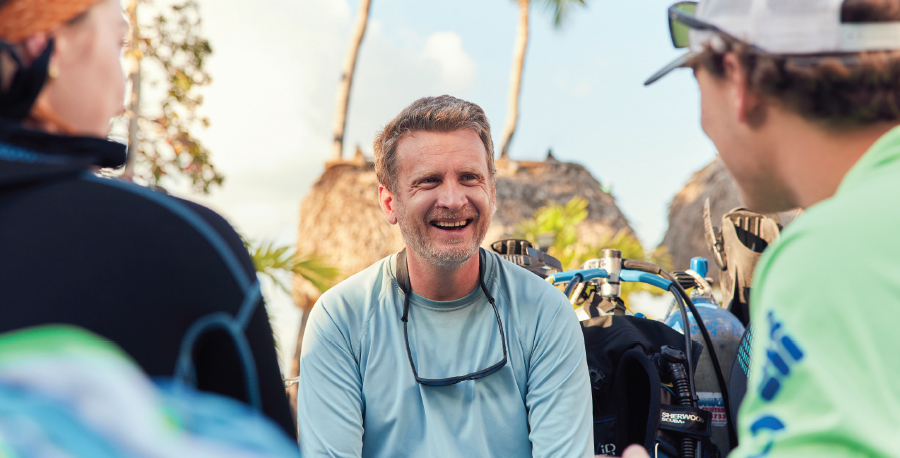
The first of their three dive days began at the Amoray Dive Center on the west side of Key Largo. The resort’s 45-foot catamaran departed about 9 a.m. and headed south through Blackwater Sound to a cut lined with multimillion-dollar homes and out into the Atlantic. Destination: Molasses Reef 6 miles southeast, one of the closest reefs to the warm, clear waters of the Gulf Stream. While the boat was underway, the six students with their scuba certification finished donning their wetsuits before gathering with the dive master for a safety briefing, while the other students using snorkels did similarly. After slipping their tanks and masks on, the divers took a giant step off the bow of the boat and then descended one by one down a mooring line to the only living coral barrier reef in the continental U.S.
Armed with GoPros to capture all the marine life to study later, the students cruised the ocean floor at a depth of about 30 feet. Yellowtail snapper, scrawled filefish and rainbow parrotfish swam through spires of elkhorn, gorgonian and lettuce corals. Forty minutes later they were back on the boat.
“That was so awesome,” says Lauren Pubillones ’25, who also majored in marine biology. “I love being in the water and seeing the beauty that not many people have the opportunity to view.”
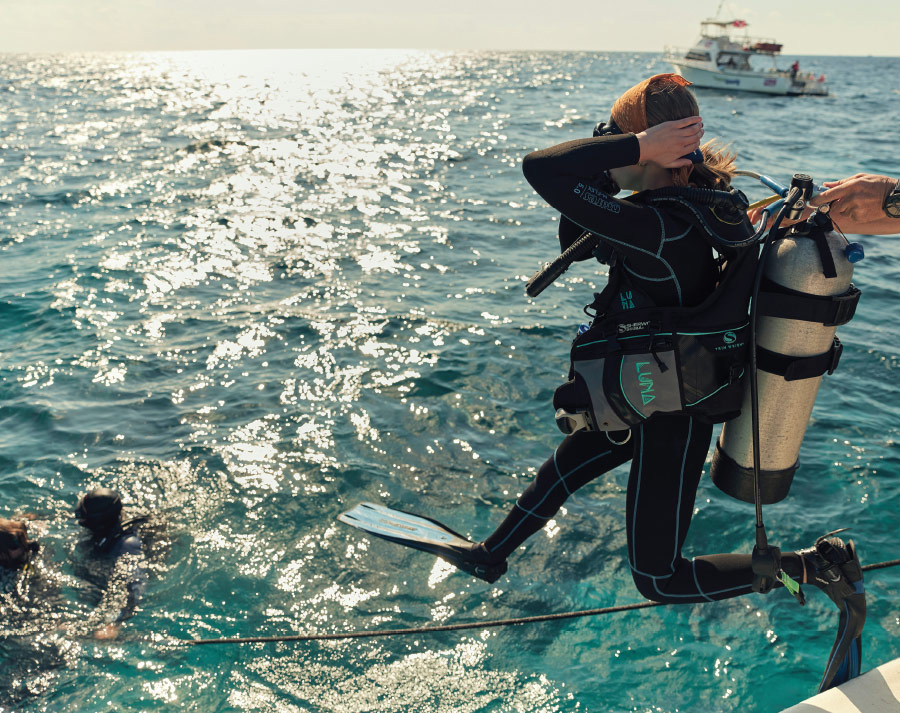
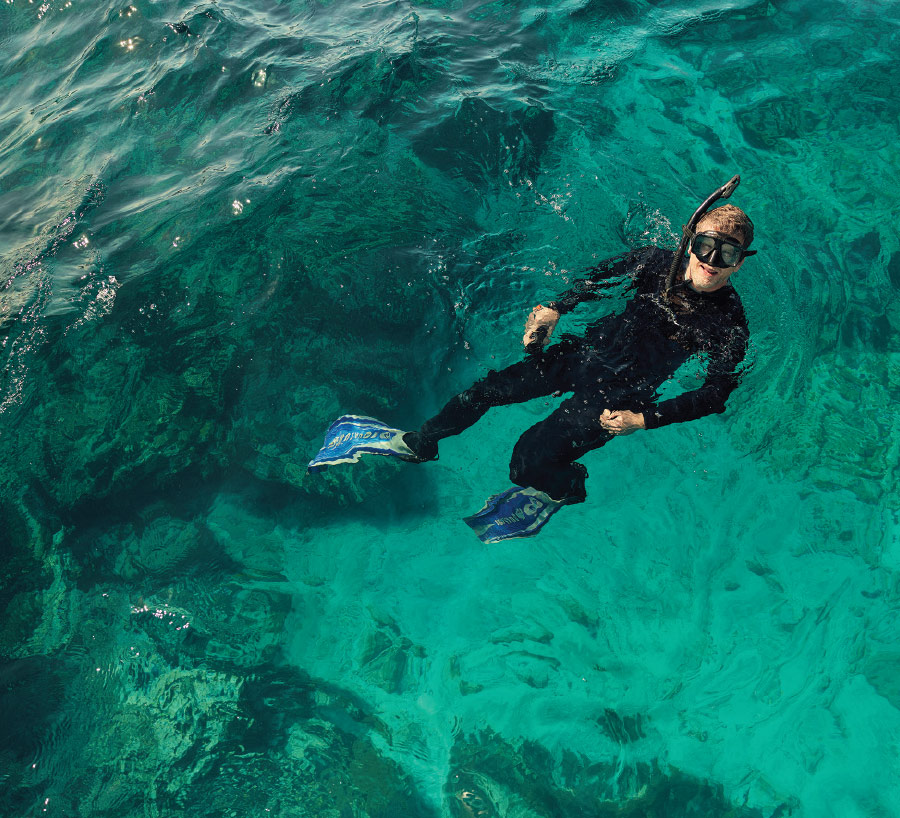
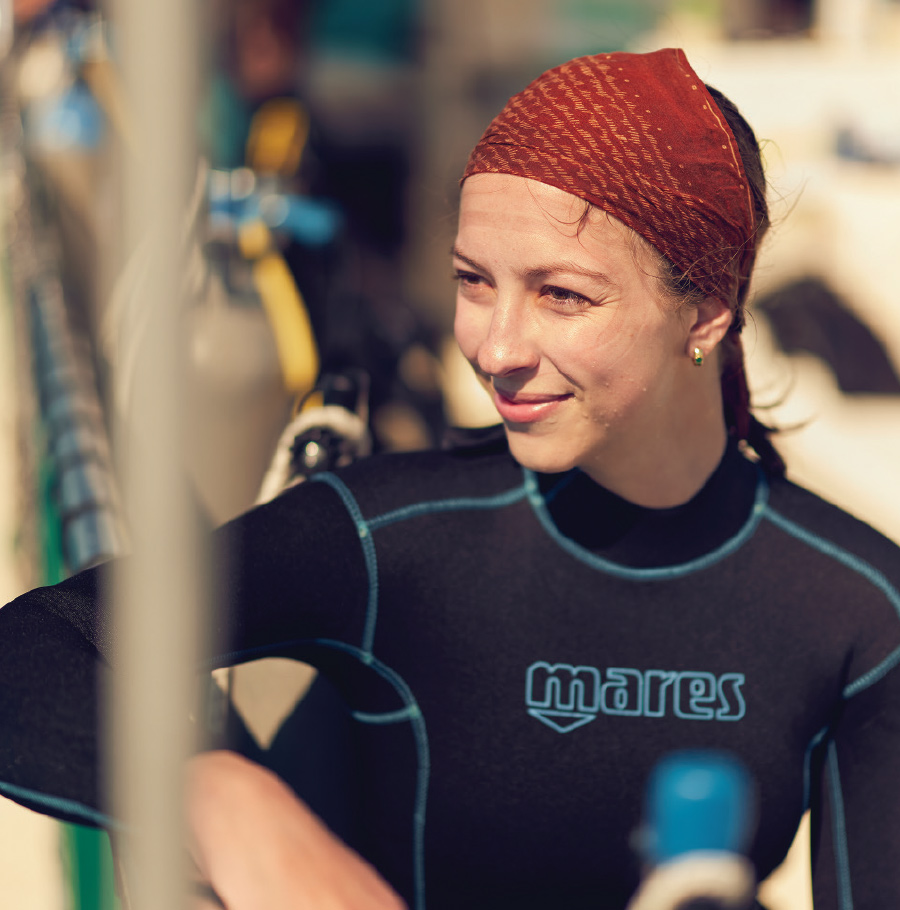
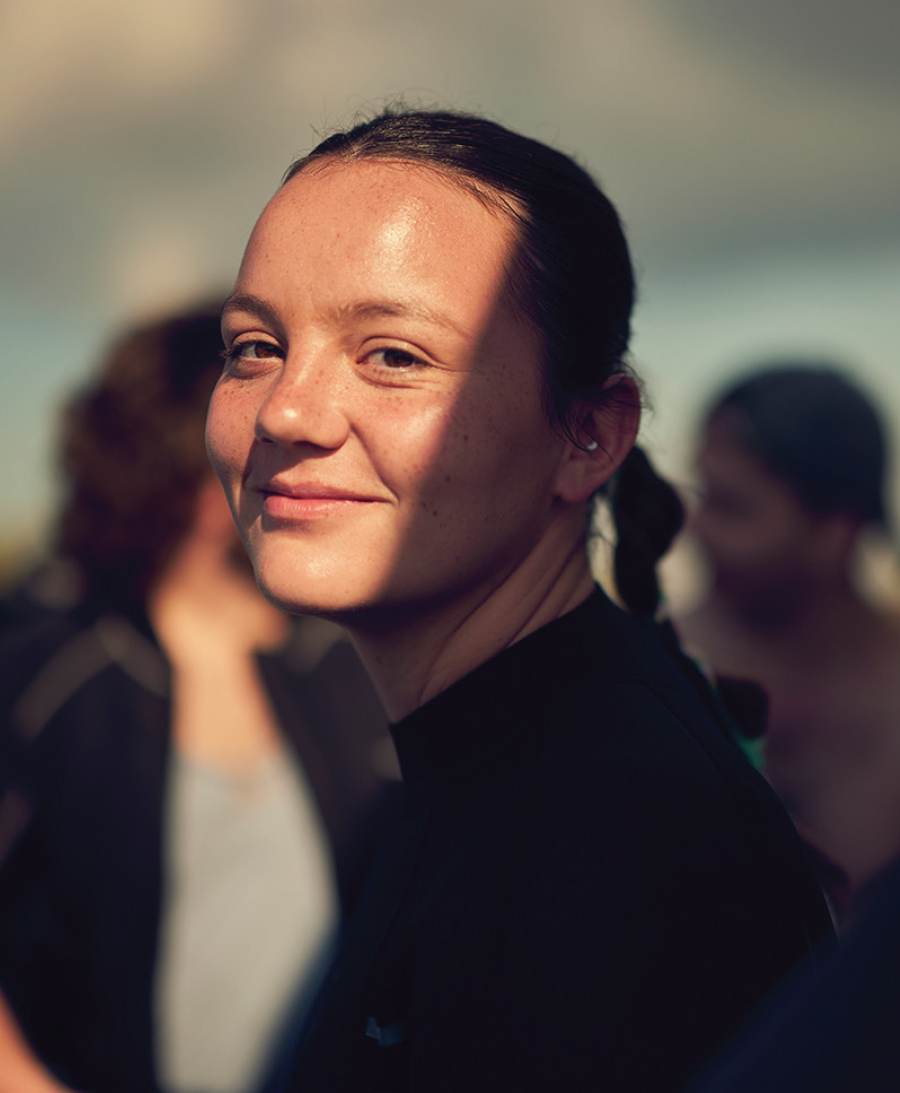
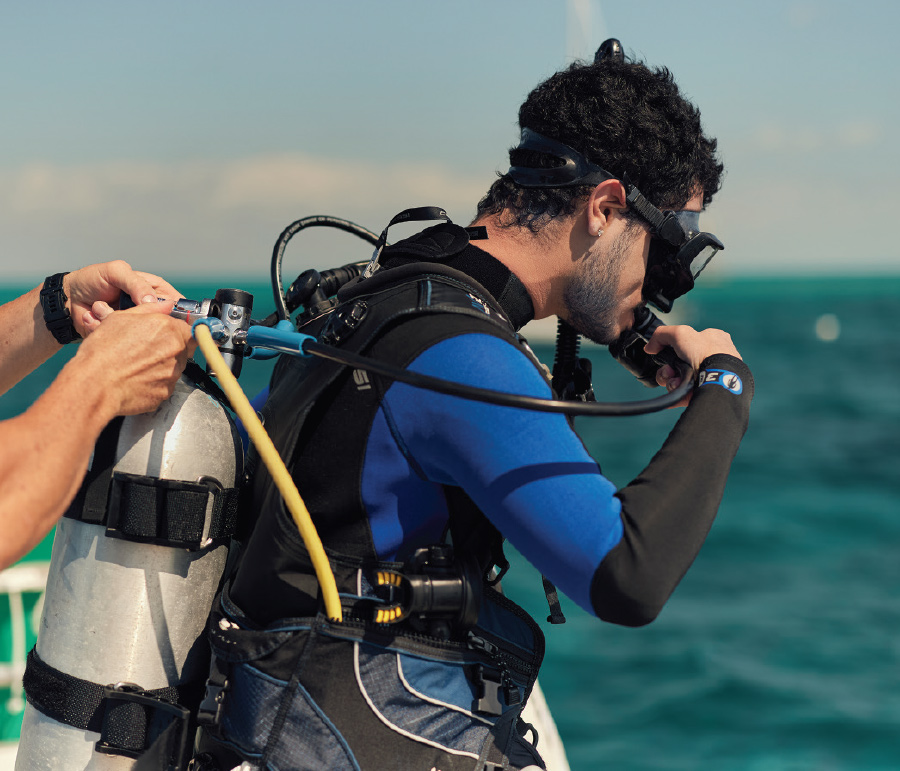
“It’s a good way to debrief because everybody sees something different,” says Freeman, a coral reef scientist who specializes in sponge-microbe symbioses and coral-sponge interactions. “Two people can come up from the same dive and have totally different experiences. I was looking specifically for the target organisms that I wanted to make sure that they understood – all the organisms that carry out important functions on coral reefs – and applying what they learn in class to a real-world scenario.”
Uncharted Waters

But it’s not just the beauty of the reef that is lost. These “rainforests of the sea” support about a third of all known marine life and provide $10 trillion in benefits like food, jobs and coastal protection, according to the ICRI.
“It definitely worries me for the sake of coral reefs and also for future generations,” says Freeman. “We’ve spent a lot of time in class talking about what, if anything, can be done. Students are very concerned about the environment, which is good. Understanding the ecology and biology of coral reefs, and how and why they’re changing, is important.”
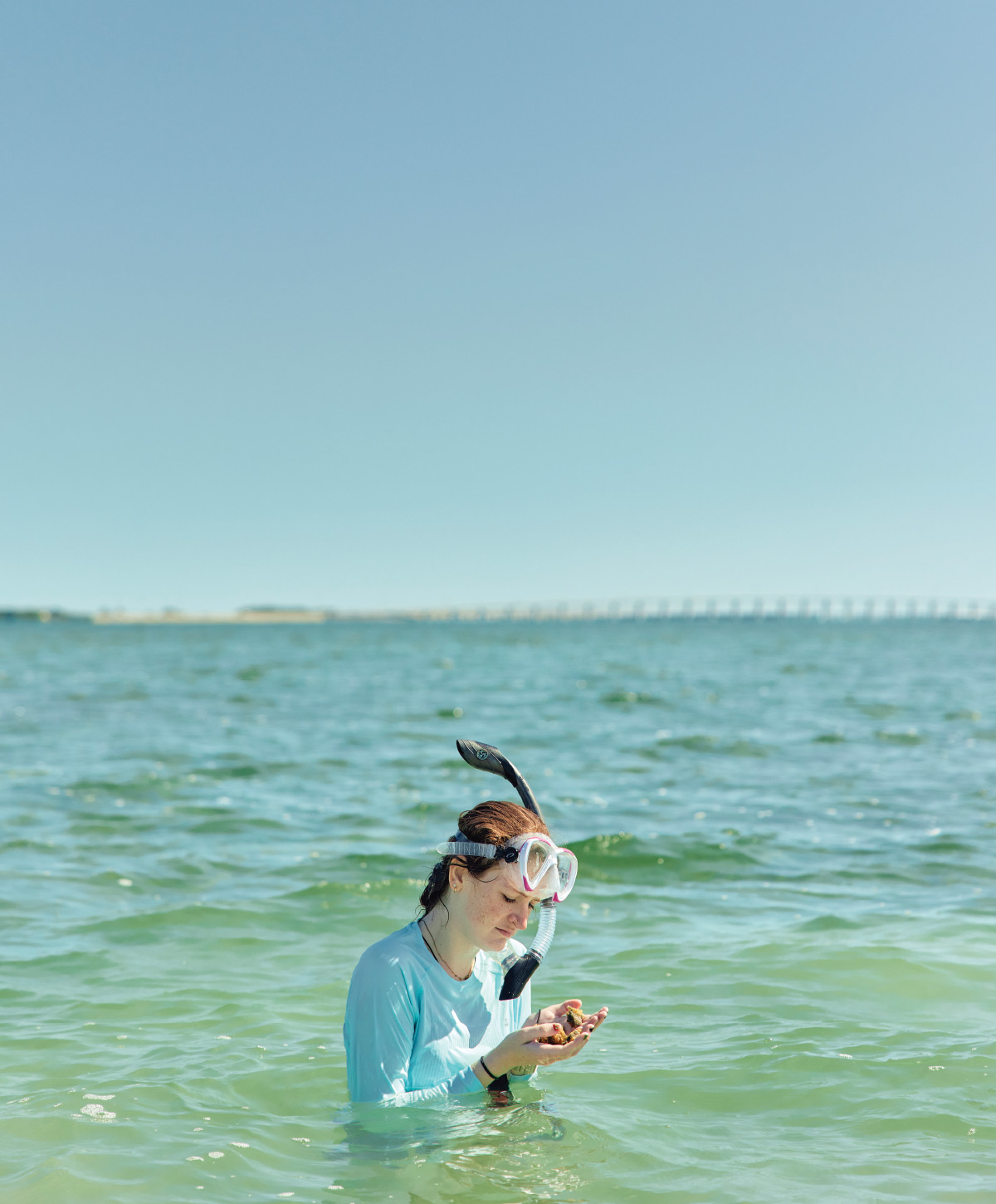
“Chris teaches a diversity of courses emphasizing student engagement in biology, especially by getting students into nature during class,” says Department of Biology Chair Eric McElroy, noting that one student called Biology of Coral Reefs the best class she had ever taken at the College in her evaluation. “His research on sponges engages undergraduate and graduate students and is routinely published in scientific journals. Chris is the total package – an exemplary teacher-scholar.”
Biology of Coral Reefs was the second class Dallas Bryson ’25 took with Freeman following General Ecology fall semester. “I love how he is always willing to help his students and his passion for the topics he is teaching,” she says. “It makes me want to learn even more.”
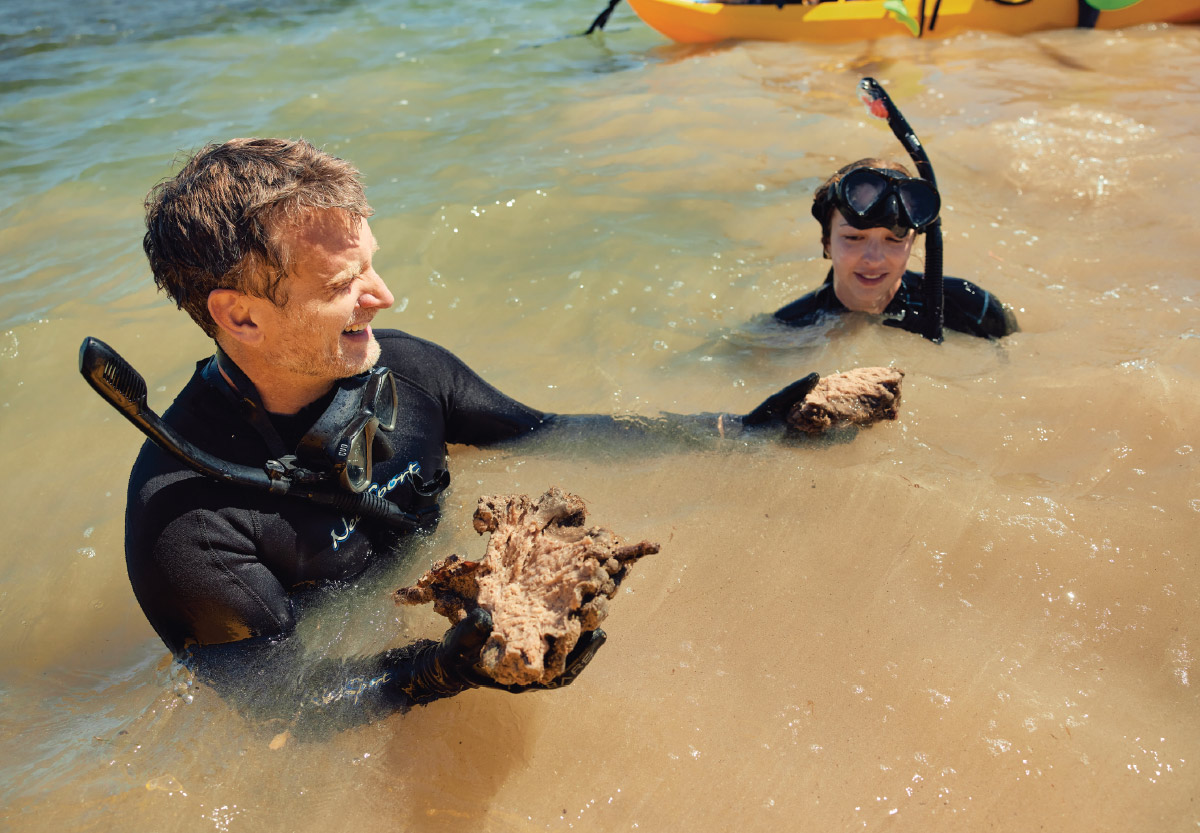
“His enthusiasm and dedication to the content is contagious and has made him someone my classmates and I look up to,” he says. “Dr. Freeman is a prime example of the kind of professors who are part of what makes the College’s marine biology program such an amazing part of our school.”
Guppy Stage
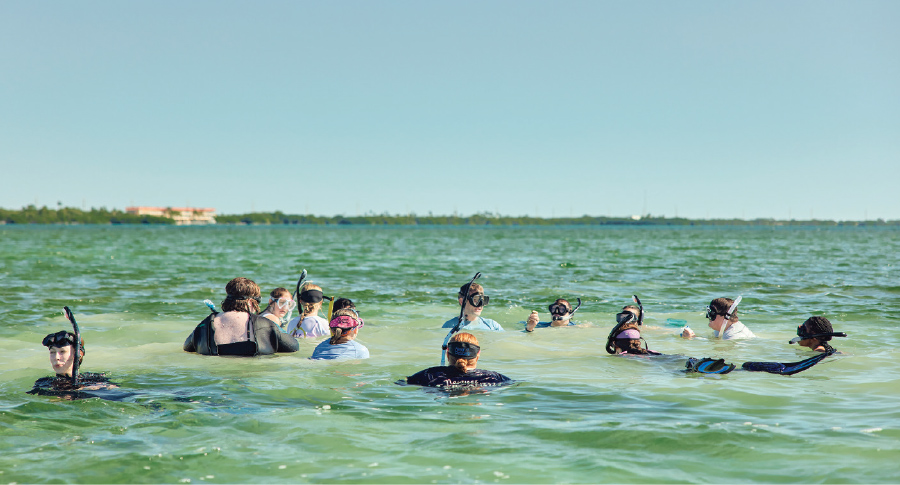
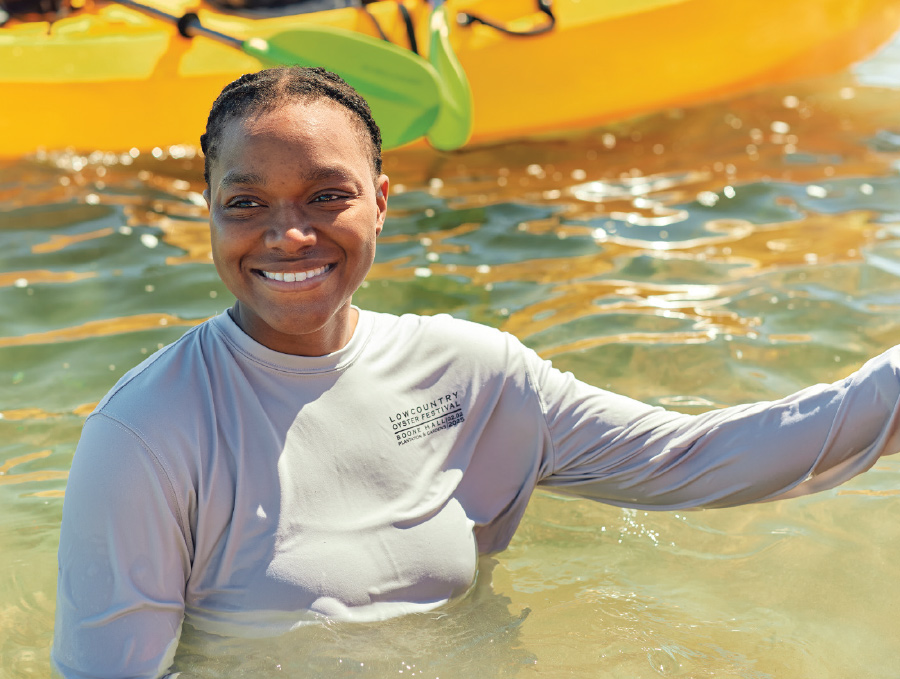
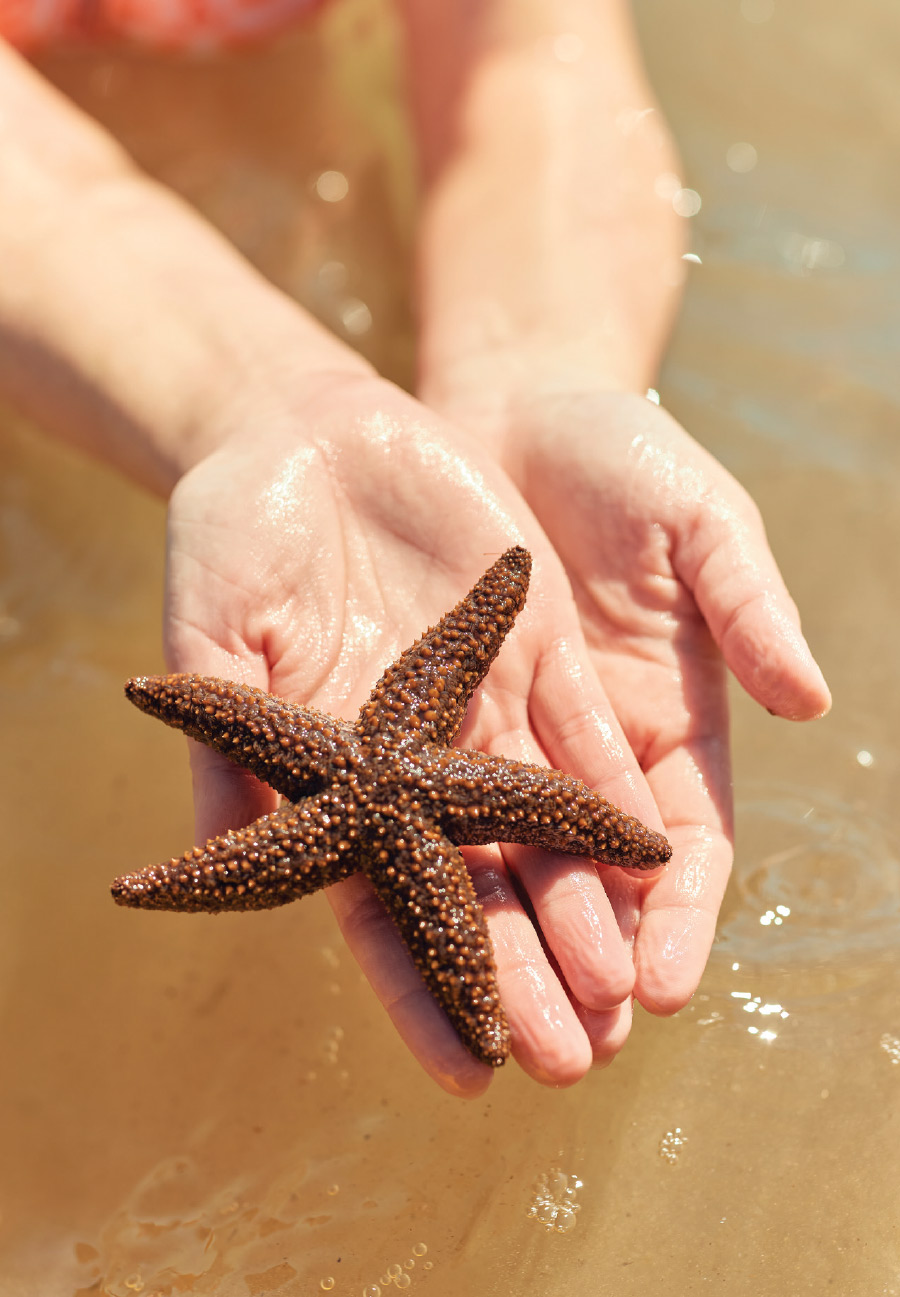
Freeman got his scuba certification when he was a freshman in high school (he’s been on more than 1,000 dives since) before heading off to Connecticut College to study marine science. The next pivotal point occurred when he spent part of his junior year at the renowned Marine Biological Laboratory in Woods Hole, Mass., on Cape Cod, where he first learned to love fieldwork studying a tiny fish called the mummichog.
“That whole summer, I was at this field station north of Boston out in the mud, in the water, doing exactly what I do with students now – getting out in the field and getting that experience,” he says.
After earning a master’s in biology at Georgia Southern University, he spent two years working among Seacamp (an experiential learning program in the Florida Keys on Big Pine Key); the National Park Service in Biscayne Bay, Florida; and a seagrass ecology lab in Miami before getting a doctorate at the University of Alabama at Birmingham. He spent the next five years in Fort Pierce, Fla., on a postdoctoral fellowship at the Smithsonian Marine Station, which specializes in marine biodiversity and the ecosystems of the Indian River Lagoon and the offshore waters of Florida’s east central coast. Summers were spent doing research in tropical reef paradises like Panama, the Bahamas and Belize.
His wife, Ashley, an accomplished food stylist, author and recipe developer and tester, wanted to be in a more culinary-centric city, so they moved to Charleston in December 2017. The couple lives on Johns Island, S.C., with their 10-year-old son, and Freeman couldn’t be happier about being here.
“The College is incredibly well-situated for ecology classes,” he says. “Charleston has a unique combination of forests, wetlands, intertidal areas, marshes, ocean and beaches. All these different ecosystems provide perfect opportunities to get students out into the field.”
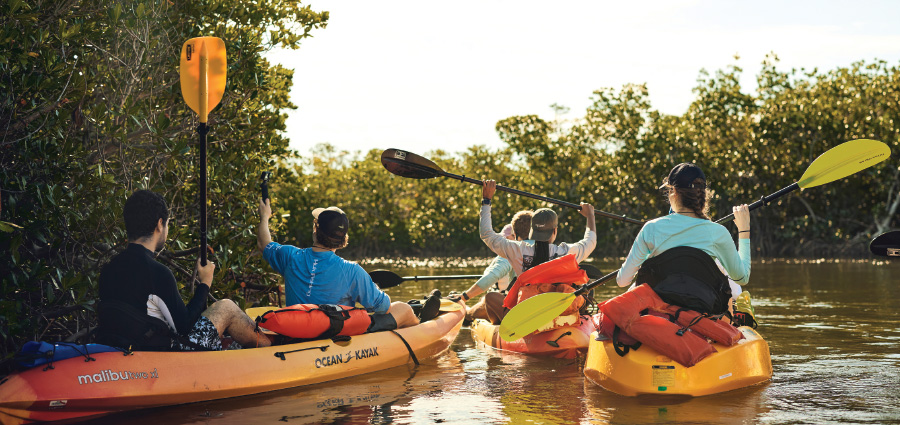
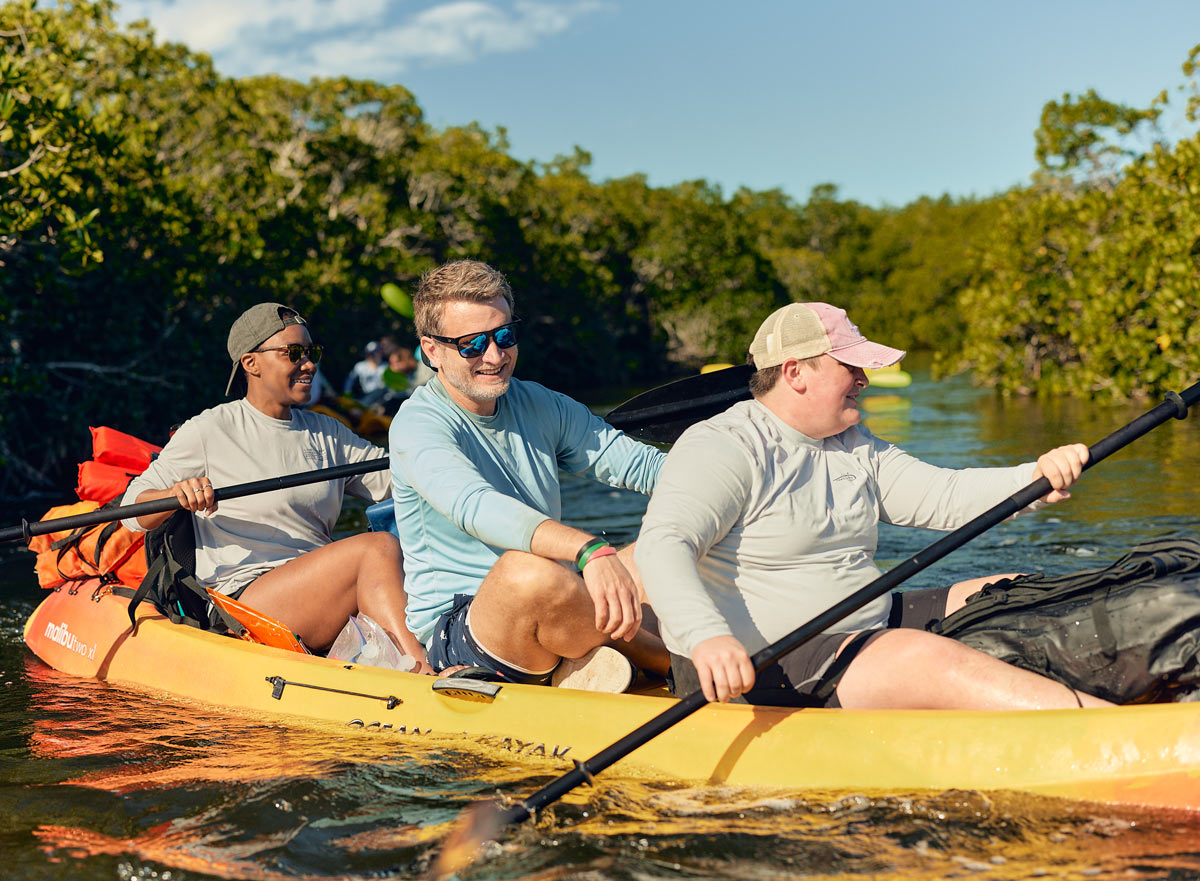
The class also kayaked through mangroves right off the dock at the field station to study the organisms growing on the prop roots. They even did a night kayak through the mangroves, which was both exciting and scary, given that crocodiles are known to live in the mangroves.
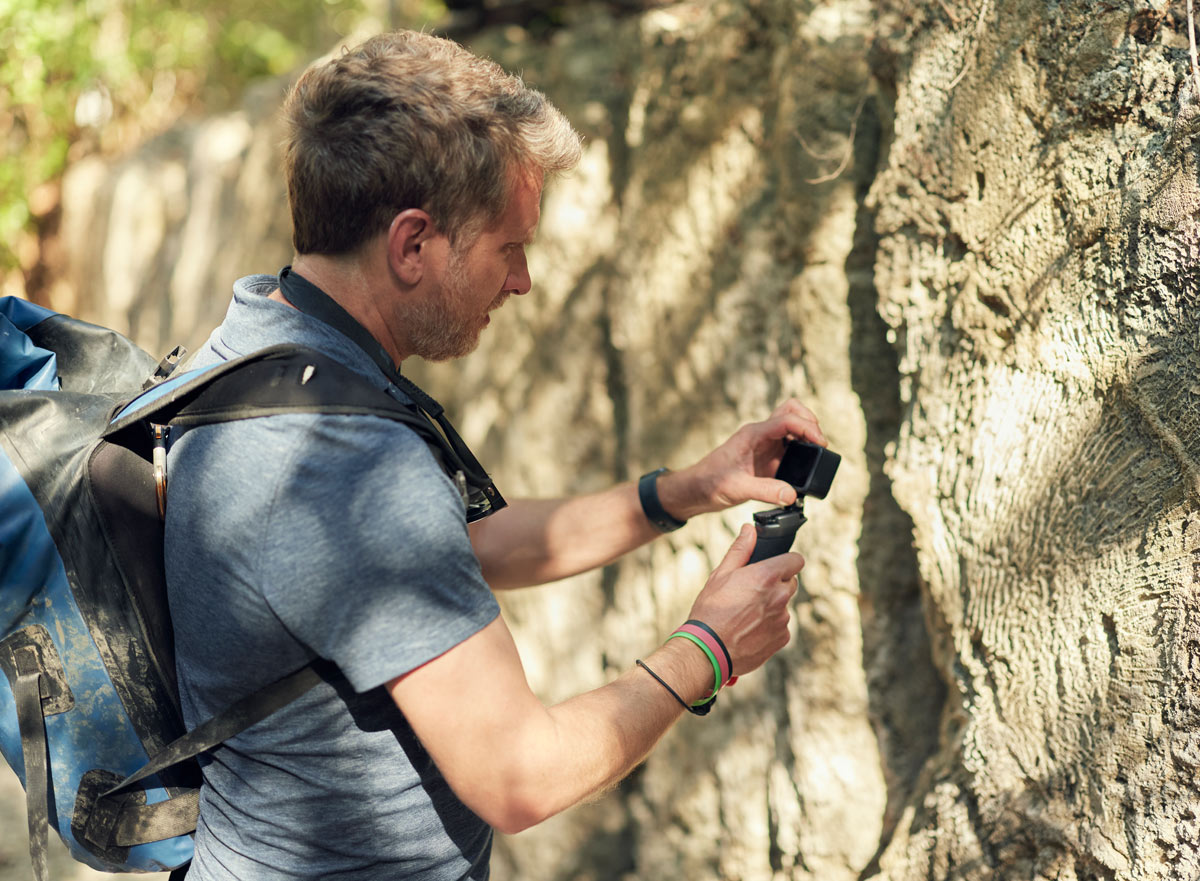
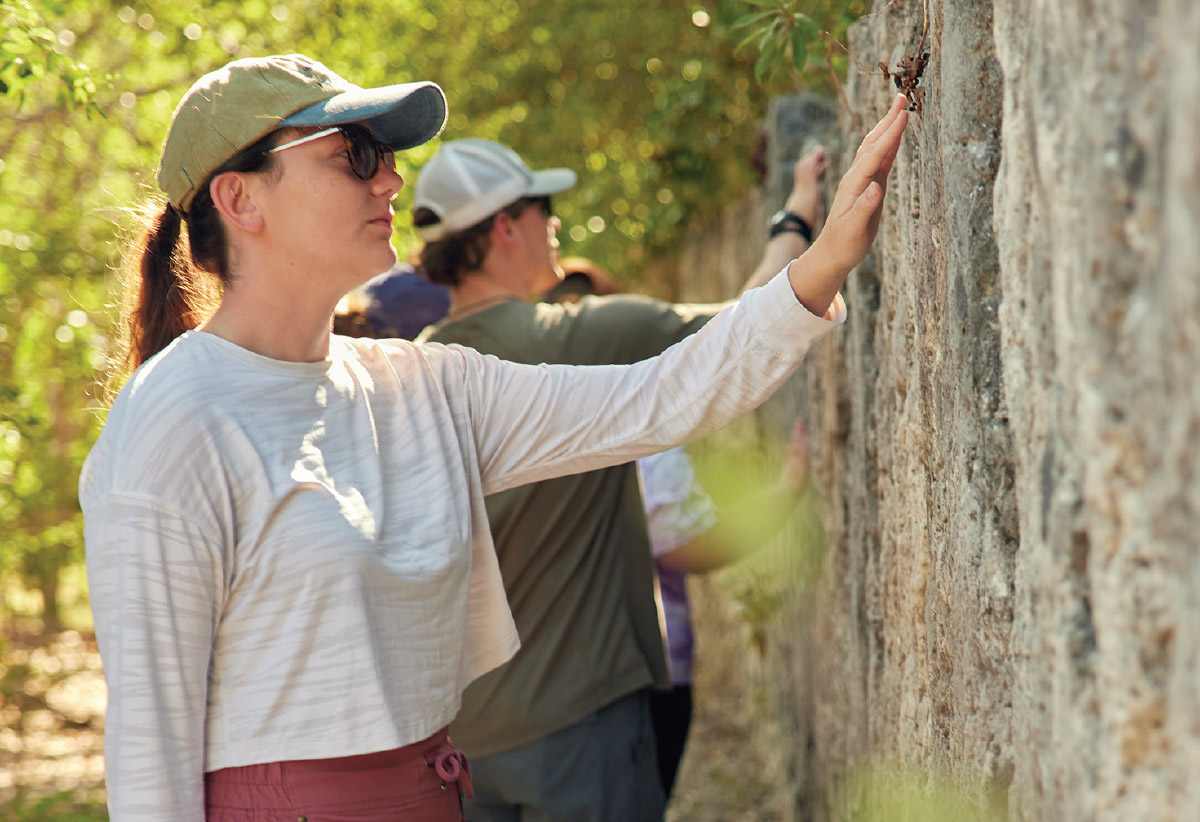
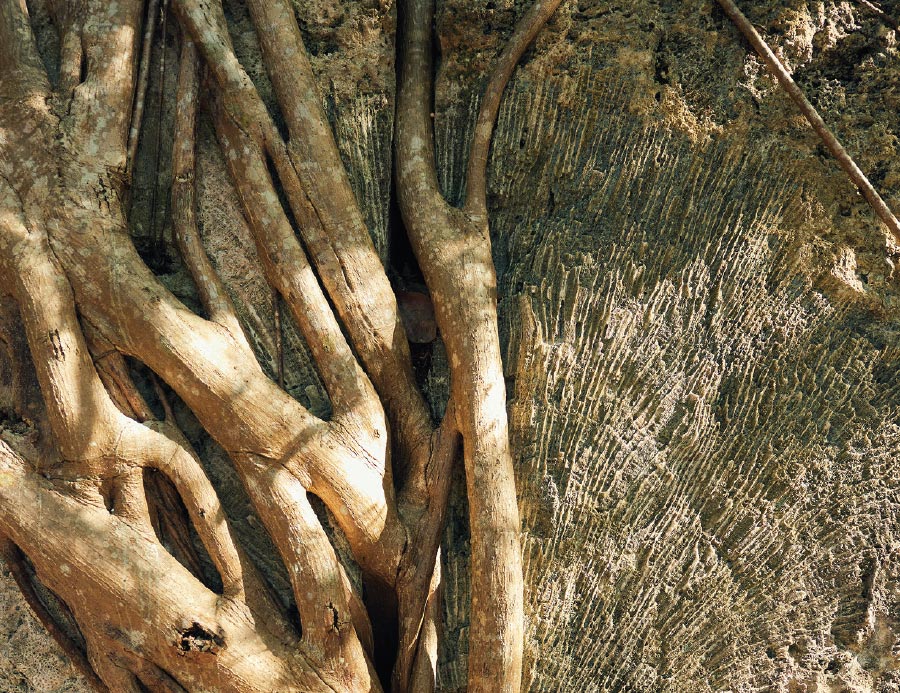
The study of coral reefs wasn’t limited to the ocean, either. Students had a Google Drive scavenger hunt at Windley Key Fossil Reef Geological State Park, where they had to find evidence of processes and organisms that they learned about in class and post a picture of them on the drive. They also visited two land-based coral nurseries associated with Mote Marine Laboratory to learn about coral restoration projects.
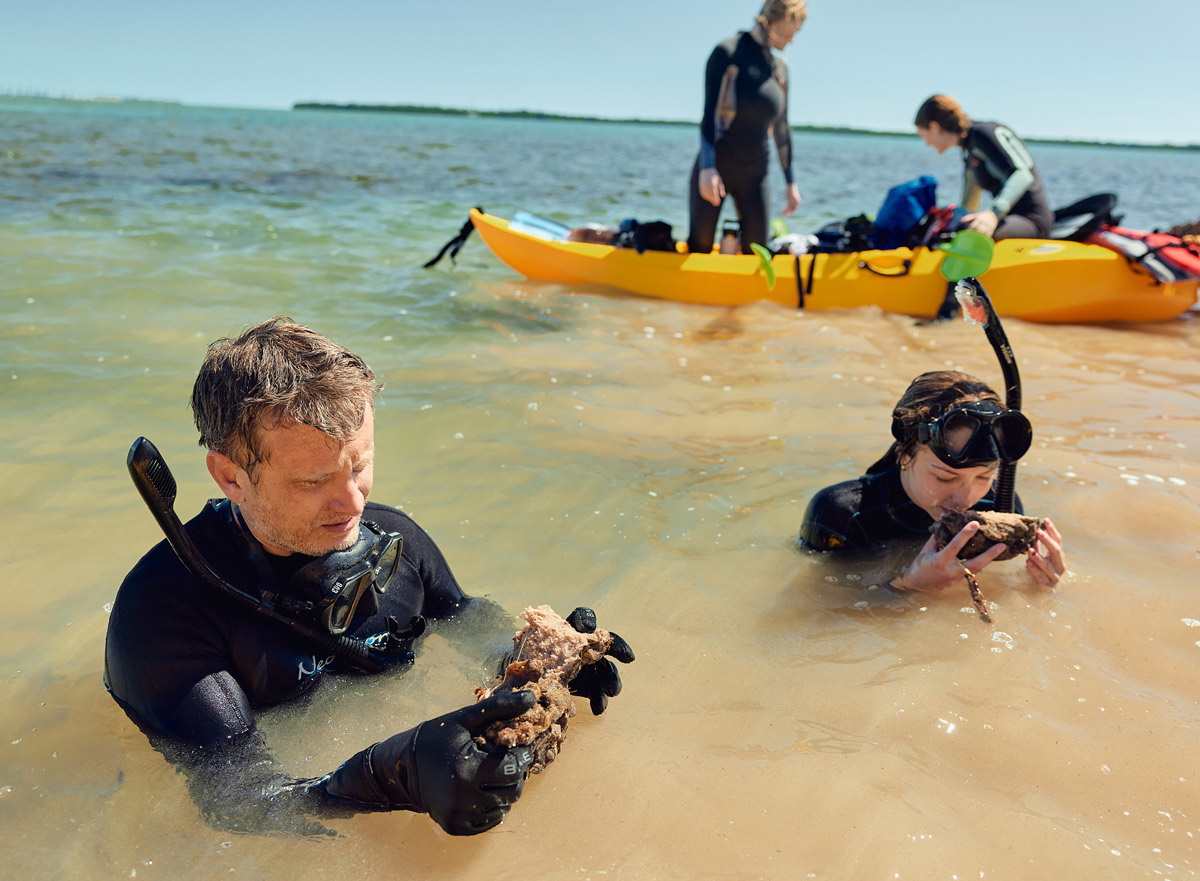
In addition, they did independent projects, such as measuring the predation pressure of fish that devoured bait balls made of squid hung off the dock, where they also enjoyed interacting with the manatees who came cruising by. Others, like Bryson, dissected sponges to see what organisms live inside them.
Freeman wishes he could have taken all 32 students in the class with him.
“These experiential learning opportunities are critical for students,” he says. “It’s hard to say, ‘I understand what an organism does on a reef,’ unless you’ve seen it actually carrying out this function. And for some of those organisms, it’s just so easy to observe. You can see and hear parrotfish eating algae and coral, and, with a little dye, you can visualize sponge pumping and understand their pivotal role as filter feeders.
“I try to bring that experiential component to all my classes,” he adds. “It’s hard to make those connections otherwise. Passing out coral skeletons and dead sponges in class just isn’t the same.”